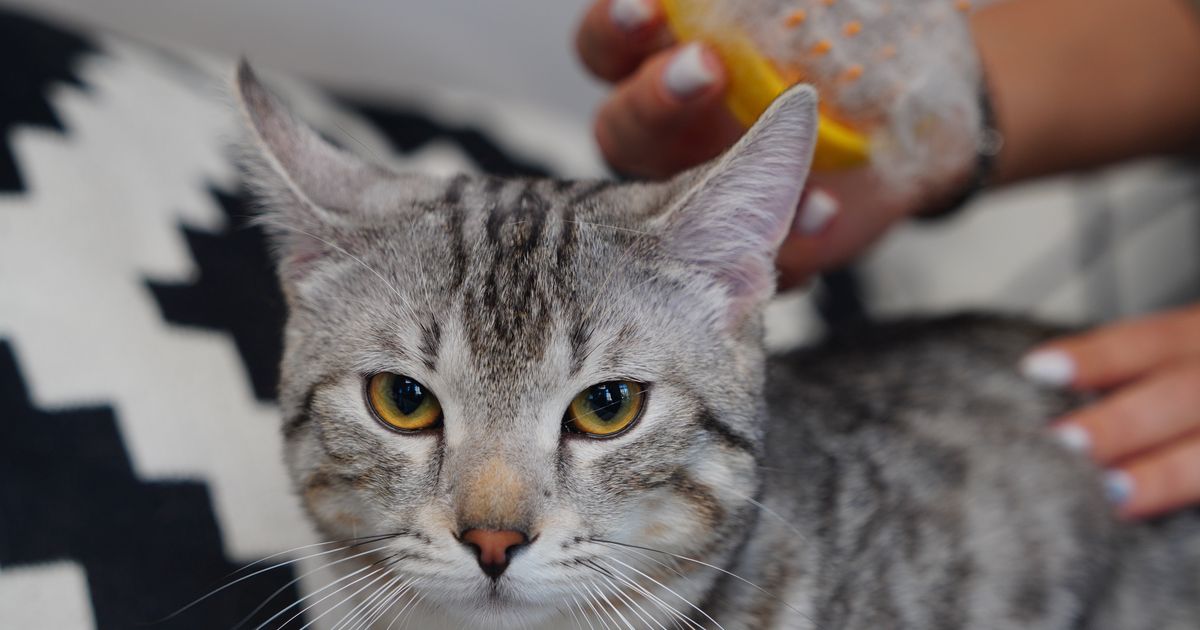

When I finally stopped grabbing random grooming tools and learned how to pick the best cat brushes for my cat’s coat, everything changed. I used to vacuum twice a day, lint-roll my clothes before leaving the house, and find fur in my coffee. Tofu is a gray tabby with opinions, more energy than sense, and a deep belief that being brushed was a personal insult. For months, grooming hour was a wrestling match: he ran, I chased, he growled, I got scratched, and we both went to our corners furious.
Then I actually learned how to pick brushes for a coat, and the whole script flipped. Tofu now purrs through a session, leans into the comb, and follows me into the bathroom when he sees me reach for the brush drawer. The difference was not a magic product. It was matching the right tool to the right coat and using it the right way.
This is the honest field report: five brushes tested, three kept, and the exact reasoning behind each choice.
Why Cats Hate Being Brushed (And How the Best Cat Brushes Fix It)
Before the brush review, the behavior part. Cats do not hate brushing. They hate bad brushing. A cat being scraped with the wrong tool, pulled through a knot, or pinned down like a wrestling opponent will do exactly what Tofu did: retreat.
The fix starts with direction. Always brush in the direction the fur naturally lies. Start on the back where cats tolerate touch best, never start with the belly. Stop the instant your cat fidgets, even if you are only halfway down one side. Short, calm sessions build trust faster than long, forced ones. When I stopped chasing Tofu and let him walk away whenever he wanted, he started coming back for more.
Brush Test 1: The Purple Undercoat Rake
The first serious tool I tried was a purple rake-style deshedding brush with fine tines. On Tofu’s short, dense tabby coat, it worked almost suspiciously well: a gentle drag with the grain lifted out the loose undercoat that was responsible for most of the fur storm. The result after one pass looked like I had brushed out a whole second cat.
undercoat rake / deshedding brush for cats on Amazon
The caveat: this brush is not for hard pressure, and it is not for short coats used daily. The tines can scrape skin if you push too hard, and it does not open mats. It is the workhorse for double-coated longhairs in shedding season, used gently, once or twice a week. During heavy seasonal shedding, it cut Tofu’s floating fur by more than half, and it reduced hairball incidents noticeably.
Brush Test 2: The Yellow Cushion Brush
Next came a yellow brush with a padded cushion base and soft rounded pins. This is the brush that changed Tofu’s attitude.
The pins are gentle, the cushion absorbs pressure, and the sensation reads as massage instead of scraping. Nervous cats accept it because it does not pull. After bath time, brushing with the cushion brush makes the coat fluffy instead of sticky, and the calming effect is real: Tofu goes full purr-engine within about ninety seconds.
Its weakness is also its strength. It does not remove much undercoat, so it is a maintenance and bonding tool, not a shedding weapon. For a cat who is scared of grooming, this brush is the trust-builder you start with, then layer in the stronger tools.
Brush Test 3: The Metal Comb With Two Sides
A metal comb with wide teeth on one side and fine teeth on the other turned out to be non-negotiable for a long coat. The wide side works through the chest, armpits, and tail where mats like to hide. The fine side catches fleas, dirt, and the little dandruff flakes that show up in winter.
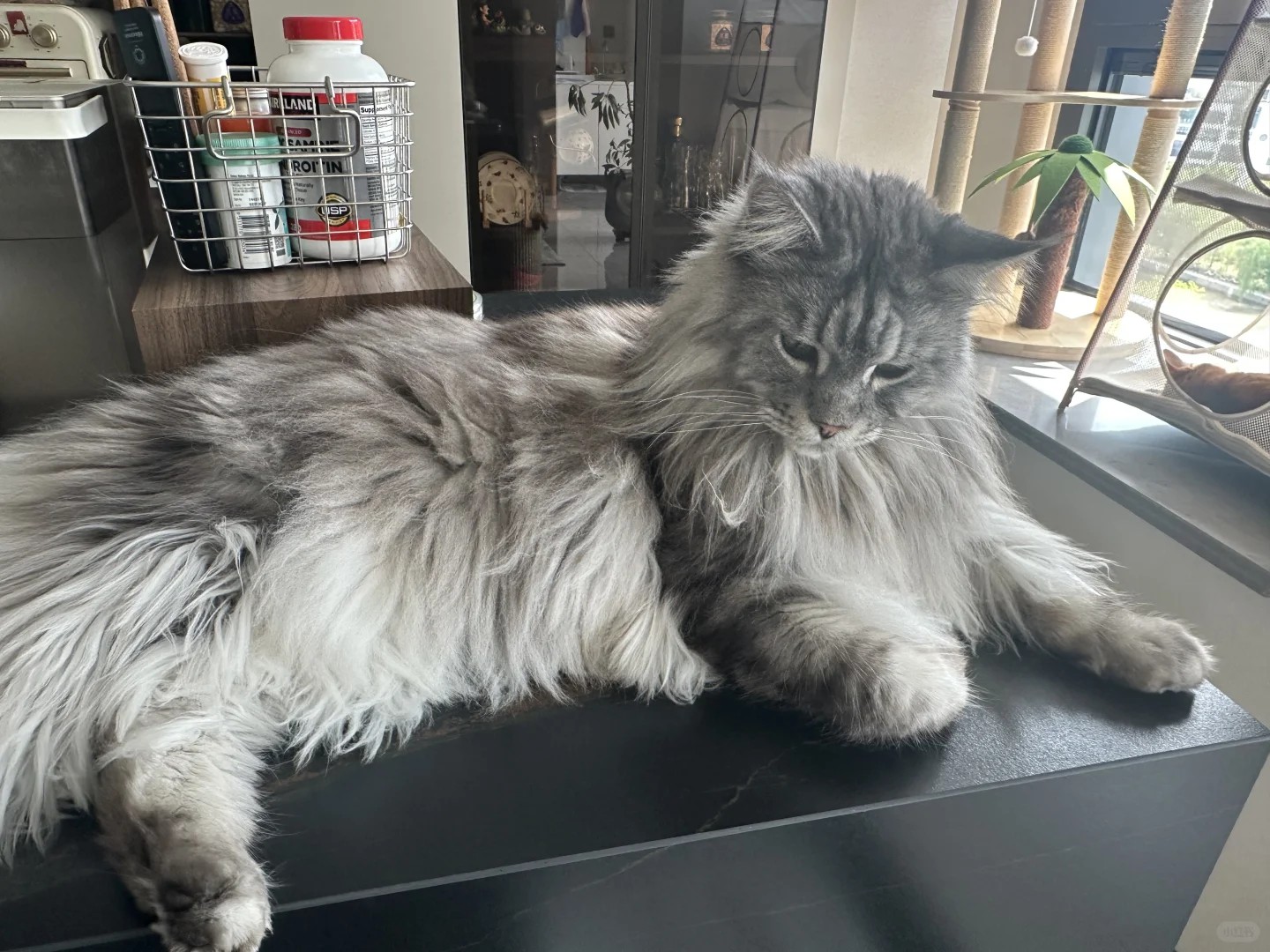
For a Maine Coon type of coat, five minutes with a wide-tooth comb on the tail and britches, twice a week, keeps the “dreadlock zone” under control. The teeth are harder than they look, so do not drag them across a wide area with force. Use short, sectioned strokes, and always support the skin on the other side when you hit a knot. Do not yank a mat out; if a tangle is too tight, carefully trim it with blunt scissors or call a professional groomer.

Brush Test 4: The Fine-Tooth Flea Comb
A fine flea comb with very tight teeth is not a daily driver, but it earns its place. I use it for spot checks: chin and cheeks for black specks, back for dandruff, tail base for anything that should not be there. It is the “looking closely” tool. On a short-haired cat it can double as a finishing comb, but do not use it on mats, and do not drag it hard enough to scrape the skin.
Brush Test 5: The Self-Cleaning Pin Brush
The self-cleaning brush with a button that ejects the fur was the most convenient of the lot. Press the button, the pins retract, and the collected fur pops off in one satisfying clump. For a multi-cat household, that convenience matters, because it means I actually use it instead of dreading cleanup.
Its downside: the rounded metal pins are on the firmer side, and sensitive cats bolt when they hit it. Tofu tolerated it on his back but refused it near his face and tail. I kept it as a warm-season backup, not a primary.
The Three-Brush Lineup I Actually Use
After the testing circus, I trimmed my collection to three tools that cover every job:
- A cushion pin brush for daily bonding and trust (the yellow one)
- An undercoat rake for seasonal shedding (the purple one)
- A wide-and-fine metal comb for mats, fleas, and finishing (the metal one)
That trio handles shedding, mats, and daily maintenance end to end. For short-haired cats, the lineup shrinks: a metal comb plus a pin brush covers most of it, and an undercoat rake is only needed during the seasonal blowout. New owners who want one safe starting point should buy a pin brush first and a metal comb second; that pair is cheap, forgiving, and covers 90 percent of normal grooming.
Grooming As a Health Check
Brushing is not just about less fur on your sofa. It is the best early-warning system you have. While you brush, you notice lumps, scabs, fleas, dandruff, and the thinning patches that might mean a health problem. Tofu’s winter dandruff got caught early because I was running a comb over his back anyway. Regular grooming also cuts down hairballs, since far less loose fur ends up in a cat’s stomach. If hairballs are a chronic problem in your house, a hairball supplement roundup pairs well with a good combing routine.
Adjusting for Age and Personality
Grooming needs change as cats age. Senior cats often cannot reach their own backs, so their mats form fast and their tolerance drops. A senior cat wants gentler tools and shorter sessions. I keep a softer brush and extra patience ready for the day Tofu slows down, and I have a whole file on senior cat care for that season of life.
Some cats also associate grooming with restraint from past trauma. If yours flinches at any brush, start with no brush at all: pet her with your hand, then with a soft glove, then introduce the cushion brush for three seconds at a time. Rebuild the association before you expect a full grooming session. And if your cat attacks the brush because she wants to play, give her a short play session first and brush while she is relaxed, not amped up.
When Grooming Is Not Enough
There are cats who shed at a heroic volume no matter what you brush, usually because the coat is seasonal, the diet is low quality, or the skin is reacting to something. If your cat is dropping fur in clumps, has bald patches, or keeps scratching, see a vet before you buy a ninth brush. Skin problems, allergies, and thyroid issues all show up as coat problems, and no brush fixes a medical issue.
Meanwhile, keep the brushing calm, keep the sessions short, and let the cat walk away when she wants. My grooming routine with Tofu went from a daily argument to a five-minute ritual we both look forward to. He sits, I brush, he purrs, and the fur storm drops to a gentle drizzle. That is the outcome every cat owner deserves.
If your cat also scratches the furniture more than she grooms, the two habits often go together: how to stop your cat from scratching furniture covers the redirect-and-reward method that worked in our house. The short version of everything above: watch your cat, buy the gentle brush first, add the right tool for the coat, and never chase her with a comb.
Disclaimer
Prices and availability are accurate as of the publication date and may change. Please check the product page for current pricing.
This post may contain affiliate links. If you buy through these links, I may earn a commission at no extra cost to you. I only recommend products I’ve actually used with my own cats.
Love cats? Get more tips like this
Join our newsletter for practical cat care guides, honest product roundups, and new posts delivered straight to your inbox. No spam — unsubscribe anytime.