Thanksgiving Foods Toxic to Cats: The Turkey-Day Safety List

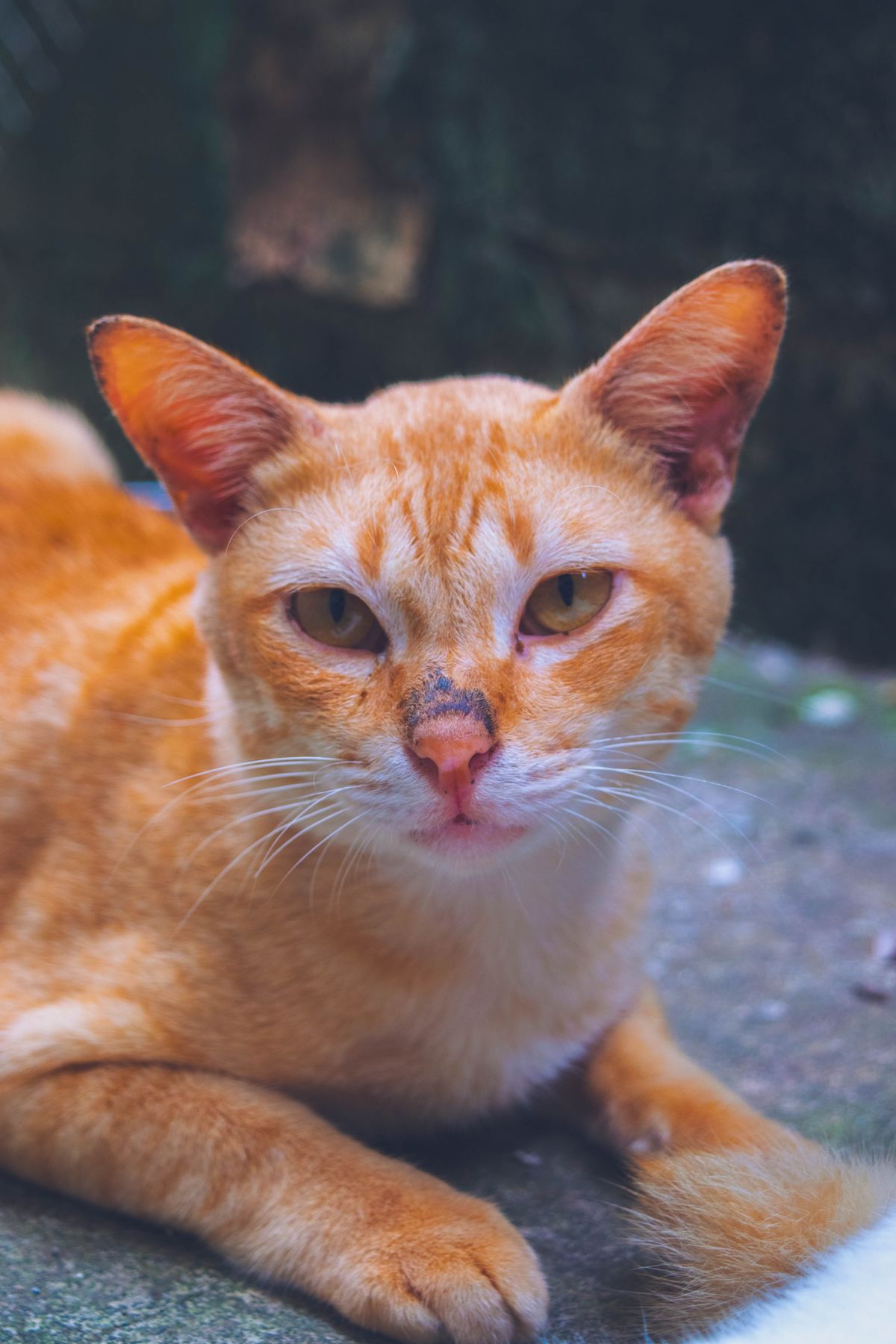
Last Thanksgiving, I turned my back for exactly one second. Just one. Miso, my orange tabby, had been orbiting the kitchen island like a furry little satellite for three hours, and the second I reached for the baster, he launched himself onto the counter and licked the turkey drippings off the carving board. I screamed. He looked offended. And then I spent the next hour wondering whether a few drops of onion-and-garlic-laced pan juice were going to send my cat to the emergency vet at 6 p.m. on a national holiday.
The truth is, Thanksgiving is the single most dangerous food holiday for cats. The table is loaded with things they genuinely can’t process, and our instinct to share “just a bite” is exactly what fills veterinary ERs every November. I’m not here to make you feel guilty — I’ve made every mistake on this list. I’m here to help you keep Miso, Tofu, Sam, and your own crew out of the clinic.
Many of the thanksgiving foods toxic to cats below can send a cat to the emergency vet within hours.
Thanksgiving Foods Toxic to Cats: The 8-Food Safety Audit
Every year, pet poison control lines spike around Thanksgiving, and it’s rarely the turkey itself that does the damage. It’s everything around it. Here’s the audit I run through my kitchen before the big meal, in rough order of “how fast this becomes an emergency”:
- Cooked turkey bones — they splinter, they pierce, they get stuck.
- Onions, garlic, shallots, leeks — even in tiny amounts, especially in stuffing and gravy.
- Raisins and grapes — a handful of raisins can be catastrophic for kidneys.
- Chocolate — the darker and more baking-oriented, the worse.
- Alcohol — rum-soaked cakes, leftover wine, unattended cocktails.
- Raw or undercooked meat — salmonella and E. coli risk.
- Super salty, super fatty foods — gravy, ham, sausage: pancreatitis and kidney strain.
- Desserts — sugar isn’t the worst part; it’s what’s hiding in the dessert.
Tofu, my tuxedo cat with the judgmental face, sat on the windowsill while I wrote this list like he was personally vetting each entry. He’s the one who once stole a whole buttered roll off a guest’s plate, so he has no room to judge anyone.
Turkey Done Right: No Bones, No Skin, No Gravy
Here’s the part that surprises people: plain, fully cooked turkey meat is actually fine for most cats. The problem is how we serve it. Cooked bird bones become brittle and splinter into sharp shards that can get stuck in a cat’s throat or puncture the digestive tract. The symptoms show up as vomiting, refusing food, and blood in the stool — all of which means a miserable holiday trip to the vet.
The skin is a different problem. It’s loaded with fat, and a sudden blast of rich fat can trigger pancreatitis in cats, which is about as fun as it sounds and a lot more dangerous. Gravy is the sneakiest offender of all: it’s salty, fatty, and almost always thickened with onion or garlic powder somewhere in the recipe.
My rule now: if I want to give Miso a taste of the holiday bird, I pull a small piece of plain breast meat before I season anything. No salt, no butter, no drippings. He gets maybe a thumbnail-sized shred, and he acts like I’ve handed him a Michelin-star tasting menu.
Stuffing, Onions, Garlic, and the “Just a Bite” Trap
This is the section I want to scream from the rooftops, because almost nobody treats onions as seriously as they should. Onions, garlic, and their relatives contain compounds that can damage a cat’s red blood cells and lead to something called hemolytic anemia. Cats are more sensitive to this than dogs, and the damage can accumulate with repeated small exposures — you don’t need one giant onion to cause problems. A little bit of stuffing on a Monday, gravy on Tuesday, and garlic-butter on Wednesday adds up.
The “just a bite” trap is how most cats end up in trouble. It’s so easy to convince yourself that one nibble of stuffing won’t hurt. The stuffing is the worst offender because nobody counts how much onion and garlic went into it, and the cat can’t tell you that their mouthful had enough of both to matter. Symptoms of onion toxicity — red or dark urine, weakness, pale gums — may not show up for a day or two, which makes it even harder to connect the dots.
This is not a substitute for veterinary advice. If you suspect your cat has eaten onions, garlic, or any toxic food, call your vet or a pet poison control line immediately rather than waiting to see if symptoms develop.
Desserts, Raisins, Chocolate, and Alcohol
The dessert table is a four-alarm fire for cats. Let’s go through it:
Raisins and grapes. The exact mechanism isn’t fully understood, but grapes and raisins are linked to sudden, severe kidney injury in both cats and dogs. A cat doesn’t need to eat a whole bunch — even a few raisins can send a small cat into acute kidney failure. If there’s a fruit salad or a baked good with raisins anywhere near your cat, treat it like a biohazard.
Chocolate. Chocolate contains theobromine and caffeine, which act as stimulants and can send a cat’s heart racing into dangerous territory. Dark chocolate and baking chocolate are the most concentrated and the most dangerous. Miso once licked a cocoa-dusted dessert plate and spent the evening staring at me with enormous, vibrating pupils, which was adorable and also exactly the kind of thing that warrants a call to the vet.
Alcohol. Cats have an extremely low tolerance for alcohol. Rum-soaked cakes, leftover wine glasses, and unattended cocktails are all real risks. A cat can show vomiting, stumbling, and even loss of consciousness from an amount that would barely register for a human. Keep glasses where cats can’t reach, and don’t leave baking with alcohol sitting on the counter to cool.
The Safe 3-Bite Tasting Plate
I’m not a “nothing for the cat, ever” household. I think part of why my cats beg so hard is that we made the kitchen a completely forbidden zone, which is like telling a toddler they can never look at the toy store. Instead, I put together a safe tasting plate so everyone gets to participate without anyone ending up at the emergency clinic.
Here’s what goes on the safe plate for my three:
- A few shreds of plain, unseasoned, fully cooked turkey breast.
- A small spoon of plain pumpkin puree (not pie filling — no sugar, no spices).
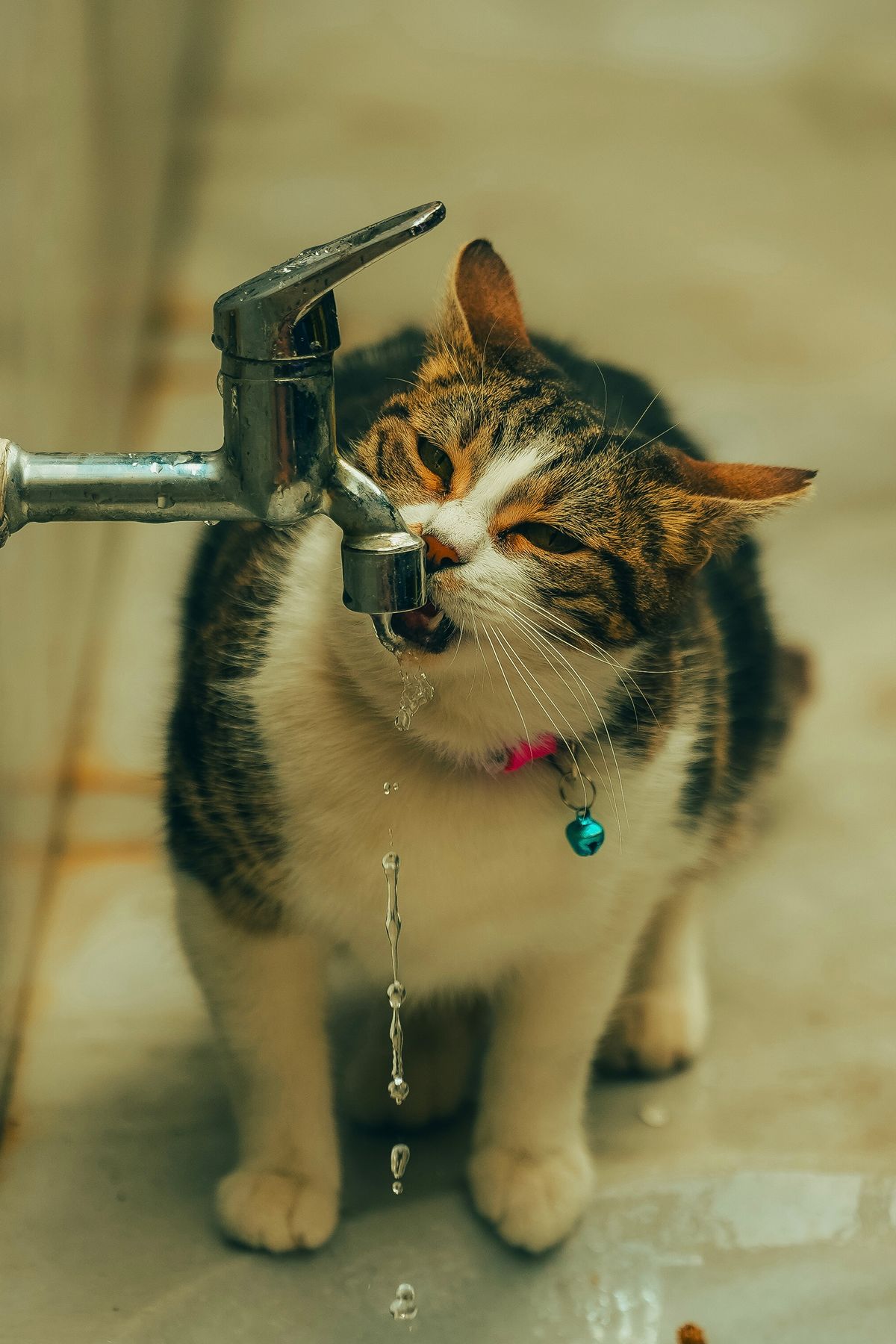
- A little fresh water in a bowl they’re allowed to dip their paws in, because Miso has opinions about water presentation.
Everything else — the stuffing, the gravy, the rolls, the desserts — stays on the human side of the line. The cats get their plate, I get to enjoy my meal without a furry head inserted into every forkful, and Tofu gets to maintain the illusion that he’s in charge.
What to Do If Your Cat Ate Something Toxic
First: breathe. Then move fast. Poisoning symptoms can appear within hours, and waiting to see if the cat “gets over it” is how minor exposures become major emergencies.
- Collect evidence. If you know what they ate, bring the packaging, the label, or a sample to the vet. “Turkey with stuffing” is a lot less useful than a photo of the ingredient list.
- Call ahead. Call your vet or a pet poison hotline before you drive. They may tell you to bring the cat in, or they may tell you to monitor at home — you don’t want to guess which one while sitting in traffic.
- Don’t induce vomiting on your own. This one is counterintuitive, but forcing a cat to vomit without veterinary direction can make things worse, especially with sharp bone fragments or caustic substances.
- Watch for the red flags. Repeated vomiting, refusal to eat for more than 24 hours, dark urine, pale gums, stumbling, or collapse all mean go to the emergency vet now. Not in an hour. Now.
I keep a pet first aid kit within reach of the kitchen for exactly this reason. It’s not a substitute for a vet, but it means I’m not fumbling for bandaging or a thermometer with one hand and a panicking cat in the other. EVERLIT Pet Medic First Aid Kit lives in a cabinet by the back door, ready to grab.
Prevention: Trash, Counters, and Guest Rules
The best treatment is prevention, and Thanksgiving prevention is mostly about three things: the trash, the counters, and the guests.
The trash. Your kitchen trash can on Thanksgiving is a treasure chest of turkey bones, onion skins, and foil-wrapped leftovers. A cat can smell that from across the house, and an unsecured can is an invitation. We upgraded to a locking step trash can (EKO 45L Pet-Lock Kitchen Trash Can) a couple of years ago, and I cannot tell you the difference it made. No more fishing turkey bones out of Tofu’s mouth at midnight.
The counters. Cats on the counter are a nightmare during food prep because they’re one tongue-swipe away from raw poultry or a hot burner. A freestanding kitchen gate (PAWLAND 6 Panels Dog Gate) across the kitchen doorway is the low-tech solution that actually works. It blocks access without locking the cats in a room, and it folds away after the holiday.
The guest rules. Tell your guests, before they arrive, that the cats are off the table — literally. No feeding scraps under the table, no “just a little bite” for the cute face, no leaving plates on the floor. I send a quick text the morning of: “Please don’t feed the cats, even if they ask nicely. They lie.” It sounds dramatic, but it’s accurate.
FAQ: Thanksgiving Foods and Cats
Q: Can cats eat plain cooked turkey?
A: Yes, small amounts of plain, unseasoned, fully cooked turkey breast are generally safe for cats. Never give cooked bones, skin, or anything seasoned with onion, garlic, or salt.
Q: How much onion or garlic is dangerous for a cat?
A: Even small amounts can matter, and effects can accumulate over multiple exposures. If your cat ate anything containing onion, garlic, shallot, or leek, contact your vet. Don’t wait for symptoms.
Q: My cat ate a few raisins. What should I do?
A: Call your vet or a pet poison control line right away. Grapes and raisins are linked to acute kidney injury, and timing matters in treatment.
Q: Is chocolate really that dangerous for cats?
A: Yes, especially dark and baking chocolate. Theobromine and caffeine can cause dangerously rapid heart rate. Call your vet with the type and amount consumed.
Q: Can I give my cat a tiny bit of gravy as a treat?
A: Please don’t. Gravy is usually salty, fatty, and contains onion or garlic. The “tiny bit” is exactly how cats end up with pancreatitis or anemia.
Q: What should I do if I’m not sure whether my cat ate something toxic?
A: When in doubt, call your vet. Better to make a slightly anxious phone call than to discover the hard way that the nibble was a problem.
The Bottom Line
Thanksgiving is a food holiday, and cats are food professionals. The safest approach is to treat the entire human table as a no-cat zone, give your cats their own safe tasting plate, and secure the trash, the counters, and the kitchen entrance. The foods that send cats to the vet on Thanksgiving — bones, onions, raisins, chocolate, alcohol, and rich greasy scraps — are all avoidable with a little planning. Last year’s near-miss with Miso and the drippings taught me that the holiday goes a lot better when everyone gets a plate and nobody gets a panic attack.
And if you want more on what’s toxic around the holidays, my Halloween foods guide covers the spooky season, and what to do if your cat ate Halloween candy is the emergency playbook. For everything else, keep a cat first aid kit nearby and your vet’s number on speed dial.
Disclaimer
This article contains affiliate links. If you purchase through these links, we may earn a commission at no additional cost to you. As an Amazon Associate, I earn from qualifying purchases. The information in this article is for general informational purposes only and is not a substitute for professional veterinary advice, diagnosis, or treatment. If your cat has ingested something potentially toxic, contact your veterinarian or a pet poison control center immediately.
The thanksgiving foods toxic to cats list below also includes hidden ingredients in stuffing and gravy.
Every thanksgiving foods toxic to cats entry on this list was confirmed with veterinary sources.
If your cat eats any of these thanksgiving foods toxic to cats, call your vet immediately.
Print this thanksgiving foods toxic to cats checklist and keep it near the kitchen.
The safest rule for thanksgiving foods toxic to cats is simple: keep the plate out of reach.
Reading about thanksgiving foods toxic to cats before the holiday saves an emergency visit.
Vets see a spike in poisoning cases linked to thanksgiving foods toxic to cats.
Guests may not know which thanksgiving foods toxic to cats are on the table.
A quick scan for thanksgiving foods toxic to cats takes ten seconds before dinner.
Love cats? Get more tips like this
Join our newsletter for practical cat care guides, honest product roundups, and new posts delivered straight to your inbox. No spam — unsubscribe anytime.