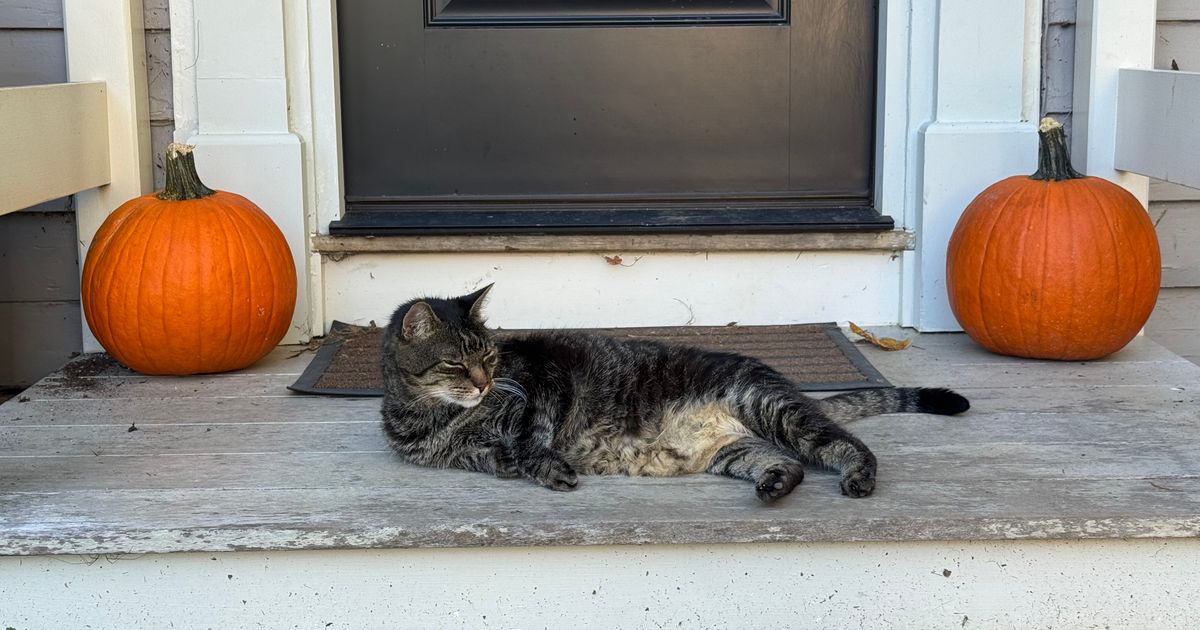

Fall cat care tips for a smooth seasonal transition start with knowing what actually changes for your cat. Fall is my favorite season, but it’s also the season my cats collectively decide to fall apart in three predictable ways: they shed like they’re auditioning for a snow machine, they drink less because it’s cooler, and they get clingy because the house is drafty.
Tofu, our gray tabby, is the canary in the coal mine for all of it. The moment the temperature drops, he starts shedding enough white hair to knit a second cat, then develops a hairball problem from grooming all that extra fluff off. Last fall, he also stopped drinking as much, and I only caught it because his litter box visits became noticeably smaller. That’s the fall trifecta: coat trouble, hydration trouble, and warmth trouble.
After a few seasons of trial and error (and a few vet visits I could have avoided), I’ve built a fall care routine that keeps all three cats comfortable from October through the first real cold snap. Here’s my complete fall cat care tips routine, in order of importance.
The Fall Shedding Problem (and the Brushing Fix)
Fall shedding is normal — cats drop their lighter summer coat and grow a denser winter one. But “normal” doesn’t mean “no maintenance.” If you don’t stay on top of it, the fur ends up on your couch, your black pants, and inside your coffee mug.
The bigger issue is hairballs. When a cat grooms more (because there’s more loose fur to groom off), they swallow more hair, and that hair doesn’t always pass through gracefully. Tofu’s fall hairball episodes were my first real lesson in seasonal cat care: vomiting, reduced appetite, and a very unhappy cat who hid under the bed for a day.
My Fall Grooming Routine
- Daily brushing during peak shed. I’m not kidding — every single day for about six weeks in October. Five minutes a day saves me a vacuum marathon on Saturday.
- The right brush makes it bearable. A good grooming tool pulls loose undercoat without scraping skin. Our cat grooming tool collection includes a slicker brush and a deshedding tool, and the difference is night and day. Tofu actually purrs during brushing now, which is a small miracle.
- Focus on the hard-to-reach spots. Cats can groom their front and sides but struggle with their back and shoulders. That’s where hairballs start. I make sure to brush the back thoroughly — it’s the “you missed a spot” zone for every cat.
- Pair brushing with a hairball remedy. For cats prone to hairballs, a hairball-specific supplement or treat can help the swallowed fur move through smoothly. I keep a hairball supplement in the fall rotation for Tofu, and it’s cut our “cat vomiting in the hallway at 3 AM” incidents dramatically.
When Shedding Isn’t Normal
Not all shedding is seasonal. If your cat is shedding in patches, has bald spots, flaky skin, or is scratching excessively, that’s not fall coat change — that’s a vet visit. Seasonal shedding is symmetrical and gradual; problem shedding is patchy and comes with skin issues. I learned this distinction the hard way when I dismissed a skin condition as “just shedding” and a vet appointment fixed it in a week.
Keep Them Warm (But Let Them Choose)
Cats love warmth. In the fall, they’ll find it in whatever weird place they can — Tofu has a ritual of sitting on the laptop’s warm exhaust fan like it’s a luxury spa. The key is giving them better, safer options than the electronics.
The Warmth Setup
- Cat beds in draft-free spots. I moved their beds away from windows and doors and into corners where the walls don’t leak cold air. That one change made them visibly more relaxed.
- A cozy cave-style bed. Cats feel safest in enclosed, nest-like spaces. Our fall cat bed is a plush cave-style bed that Tofu claimed within an hour. It’s warm, dark, and feels like a burrow — which is exactly what a cat wants on a cold night.
- Heated pads for the chilliest days. When the temperature really drops, a low-wattage pet heating pad is a game-changer. I was skeptical at first — “my cat will just sit on the couch with me” — but then I bought one and watched all three cats take turns claiming it. It’s thermostatically controlled and chew-resistant, and it has an auto-shutoff, which covers my two biggest safety worries. The heated cat pad we use has become the most fought-over spot in the apartment. (If you’re shopping, my heated bed and pad roundup lists the ones that survived three cats and a full season.)
Heating safety rules I follow:
– Only pads designed for pets, with chew-resistant cords and auto-shutoff.
– Place them on a flat, stable surface, never near water or bedding that could trap heat.
– Supervise the first few uses — some cats get too warm and need to learn to step away. (Most learn fast: it’s a heating pad, not a trap.)
– Never leave a heating pad on unattended for days on end. Off when I’m not home.
The Water Problem (Cooler Weather, Thirstier Problem)
Here’s the sneaky one: cats naturally drink less in cooler weather because they don’t feel as warm and dehydrated. But they need the hydration just as much — it keeps their kidneys, urinary tract, and digestion healthy. Less drinking in fall + more hairballs from shedding = a bad combination.
Tofu, our pickiest drinker, went through a phase last fall where he’d only drink from the bathroom faucet, which is adorable and also totally unsustainable. Here’s what actually got him drinking:
- A water fountain. Moving water is more appealing than a still bowl, and most cats prefer it. Our cat water fountain changed Tofu’s drinking habits within a week. The filter keeps it fresh, and the sound of running water is apparently irresistible.
- Multiple water stations. I don’t rely on one bowl. There are now three water spots in the apartment: the kitchen, the bedroom, and near the cat tree. Cats are lazy — if the water is within walking distance of their nap spot, they’ll drink more.
- Wet food is hydration. Wet food is roughly 70–80% water, so it’s a meaningful hydration source. If your cat eats mostly dry food, adding a wet food meal or a topper in the fall is an easy hydration win. This matters even more if your cat has had urinary issues — every ounce counts.
- Fresh water daily, cleaned bowls weekly. Stale water and scummy bowls are a drinking deterrent. I refresh water every morning and scrub the bowls once a week.

The Fall Diet Upgrade (Coats, Joints, and Appetite)
Fall is when cats prepare for winter — and some cats naturally eat a little more. But the real diet upgrade I make in fall is about quality, not quantity:
- More high-quality protein. Cooler weather can increase a cat’s caloric needs slightly, but I don’t free-feed a buffet. I keep the same portion structure and look for foods with solid protein content.
- Omega-3 fish oil for coat and skin. This is the fall beauty treatment. Adding a cat-safe fish oil supplement improved Tofu’s coat visibly within a few weeks — less dandruff, softer fur, and honestly, less shedding (or at least the fur he sheds is healthier). Omega-3s also support joints, which matters for our senior cat Sam. Check with your vet before adding supplements, but for our crew it’s been a clear win.
- Watch the appetite changes. Some cats eat less when stressed by temperature changes, some eat more. If your cat’s appetite swings dramatically for more than a couple of days, that’s worth a vet check — fall is also a peak season for viruses, so a suddenly picky cat isn’t always just “seasonal.”
Fall Home Maintenance for Cats
A few more seasonal adjustments that make a big difference:
- Watch for cold-air drafts. Check windows and doors for gaps — cats will find them and sit in them, then get cold without you noticing. A draft stopper is cheap and effective.
- Keep the indoor temperature stable. Cats do best with consistent warmth. If the house gets chilly during the day, a cozy bed + heating pad covers them, but try to avoid dramatic temperature swings.
- Be alert for fall pests. Fleas and ticks are less active in cold weather, but they don’t disappear, especially if you have a dog who goes outside. Keep up with parasite prevention through the fall — it’s not just a summer thing.
- Extra litter box checks. Cooler, drier air can affect litter moisture and odor. I scoop more often in fall because the cats are drinking differently and I want to spot any urinary issues early.

FAQ: Fall Cat Care Tips
Why is my cat shedding so much in fall?
It’s the seasonal coat change — cats shed their lighter summer coat and grow a denser winter coat. Daily brushing helps manage the loose fur and reduces hairballs. If shedding is patchy or comes with skin issues, see a vet.
Do cats get hairballs more in fall?
Yes, often — more loose fur from coat change means more grooming and more swallowed hair. Daily brushing and a hairball supplement can help the fur pass through instead of accumulating.
How do I keep my cat warm without a heater?
Cozy cave-style beds, blankets, and pet-safe heating pads are all great. Just avoid space heaters near cats, check cords, and never leave heating pads unattended for long stretches.
My cat is drinking less. Should I worry?
Monitor it. Less drinking in cooler weather is common, but it can lead to urinary problems. Try a water fountain, extra water stations, and wet food. If your cat still drinks noticeably less and shows litter box changes, talk to your vet.
Is fish oil safe for cats?
Cat-formulated fish oil (with proper dosing) is generally safe and beneficial for coat, skin, and joints — but always check with your vet first, especially for cats with medical conditions. Use a product made for cats, not a human one.
The Bottom Line
Fall cat care tips really boil down to three things: keep the coat managed, keep them hydrated, and keep them warm. Brush daily, offer better water, add a cozy bed or heating pad, and upgrade the diet with a little omega-3 — and your cat will sail through the season with far fewer hairballs, vet visits, and suspicious hallway vomits.
Tofu is now a certified fall enthusiast. He sheds like a champion, but he also purrs through brushing, guards his water fountain like it’s a sacred spring, and has claimed the heating pad as his personal throne. If that’s not seasonal success, I don’t know what is.
Disclaimer
Prices and availability are accurate as of the publication date and may change. Please check the product page for current pricing.
This post may contain affiliate links. If you buy through these links, I may earn a commission at no extra cost to you. I only recommend products I’ve actually used with my own cats.
Love cats? Get more tips like this
Join our newsletter for practical cat care guides, honest product roundups, and new posts delivered straight to your inbox. No spam — unsubscribe anytime.