Halloween is the night I love most as a human and dread most as a cat owner. The candy, the decorations, the constant doorbell, the strangers in masks — it’s a sensory assault designed to be fun for people and deeply confusing for cats.
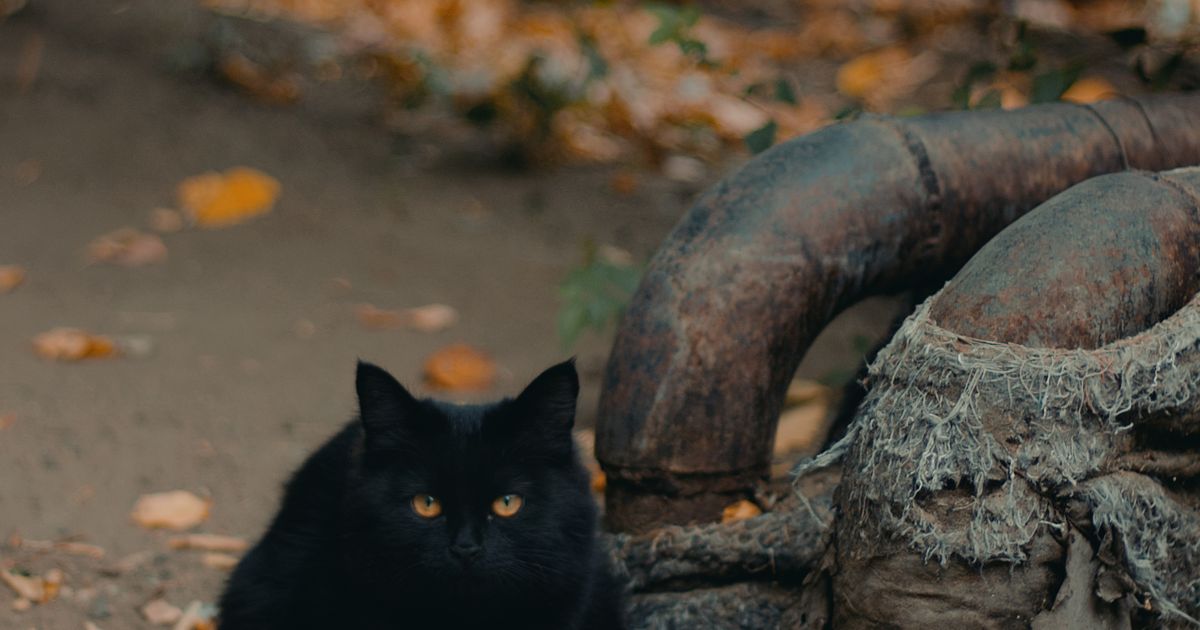
I’ve now survived enough Halloweens with Miso, Tofu, and Sam to have made every mistake on this list at least once. Tofu ate a candy wrapper in year one. Miso dashed for the door in year two. Sam — who’s a black cat, so Halloween is his holiday whether he likes it or not — spent a whole evening hiding under the bed because the doorbell wouldn’t stop.
So this year, I built a Halloween cat safety checklist. Not the kind that says “be careful” — the kind with specific, doable actions. Print it, tape it to the fridge, and run it before the first trick-or-treater rings. Here are the 10 things every cat owner should know for a safe Halloween.
1. Lock Down the Candy
The candy bowl is enemy number one. Chocolate is toxic to cats (theobromine), xylitol in sugar-free candy can be lethal, and even the wrappers cause blockages. And cats are excellent at finding candy you thought was out of reach.
The rule: candy only lives in lockable containers, in closed cabinets, off the floor. No candy left on counters, tables, or in reachable bowls — even for “just a minute.” Our cat-proofing guide has the full cabinet-lock strategy, but the short version is: if your cat can open it, they will, and “they’ve never done it before” is a memory, not a promise. If you need a place to stash the stash, a food storage container that locks is the first line of defense.
2. Know the Emergency Numbers Before You Need Them
Don’t wait until 9 PM on Halloween night to Google “pet poison control.” Program these into your phone now:
- Your regular vet’s number
- The nearest 24-hour emergency vet
- A pet poison control hotline (most charge a fee, but they’re staffed by veterinary toxicologists)
The rule: have at least two of these in your phone and written on the fridge before October 31st. If your cat eats something toxic, you don’t want to be fumbling for numbers while watching your cat. And when you call, have the wrapper, the ingredient list, and an estimate of how much they ate ready. If you want the full “what to do if they ate candy” playbook, my emergency guide covers it step by step.
3. Audit Every Decoration
Decorations are the second-biggest hazard. I love a good haunted house aesthetic, but I’ve learned to think like a cat about every item I hang:
- No candles, ever. Real flames + curious cats + fluffy tails = disaster. Use LED candles and battery-powered lights everywhere. If you must have a real pumpkin with a candle, it lives in a place cats physically cannot reach.
- No small parts at cat level. Beads, googly eyes, fake spider legs, tinsel — cats eat this stuff, and blockages are no joke. Anything smaller than a cat’s mouth goes above cat height.
- Check cords and strings. Cats love cords — they dangle, they move, they’re fun to bite. String lights, garlands, and decor cords need to be secured, tucked away, or covered. A chewing cat plus an active electrical cord is a burn or shock risk. Sam learned this the hard way with a set of fairy lights I stupidly left low; a cord cover fixed it.
- Pumpkin and corn husks? Purely decorative dried corn, gourds, and pumpkin pieces can cause tummy upsets if eaten. They’re not toxic, but they’re not food either. Keep them out of reach or accept that they’re cat toys now.
The rule: before hanging anything, ask “can my cat reach this, chew it, knock it over, or get tangled in it?” If yes, move it.
4. Secure the Doors
Halloween = the door opens constantly. For a door-curious cat, this is the night of maximum dash risk. (That’s Miso’s fault — I’ve learned every lesson about door-dashing the hard way.)
The rule: before Halloween night, decide which rooms the cats are allowed in and make the entryway a cat-free zone. A closed door between the cats and the front door is the single most effective safety measure. If you can’t close off the entry, use a baby gate or screen door buffer and assign one family member to “cat watch” near the door at all times.
5. Costumes Are Optional (and Only for Cats Who Like Them)
I get it — a cat in a little pumpkin costume is adorable. But unless your cat genuinely enjoys wearing clothes (some do!), Halloween costumes are stress and mobility problems in one outfit.
The rule: never force a costume on a cat who doesn’t want it. Signs a cat doesn’t like it: flattened ears, tucked tail, freezing in place, trying to back out of it, or hiding. If you do dress your cat, use only cat-specific, well-fitted costumes with no small parts, no tight necklines, and never leave the cat unattended while wearing it. If your cat shows any distress, off it goes. A happy cat in a bandana is cuter than a miserable cat in a witch hat anyway.
6. ID Them Like It’s Your Job
If your cat escapes on Halloween — through a door, a window, a costume-freakout — an ID tag and a microchip are the difference between a reunion and a lost cat poster.
The rule: every cat wears a breakaway collar with an ID tag that has your phone number on it. If your cat isn’t microchipped, book the appointment this week. And on Halloween specifically, I add a second tag or write “INDOOR CAT — RETURN” on a spare tag, because not everyone knows to check for a chip. A halloween-themed cat collar can be cute and functional at the same time — ours are on all three cats every October. And a durable ID tag with both phone numbers means if Tofu sneaks out, whoever finds him can actually get him home.
7. Give Every Cat a Quiet Escape Room
Strangers, masks, and loud kids are terrifying to most cats. The best thing you can do is give them a place to get away from it all.
The rule: before guests arrive, set up a “cat quiet room” — a bedroom or bathroom with their litter box, food, water, a cozy bed, and maybe a toy. The door stays closed during peak party hours, and nobody knocks on it. Tofu’s quiet room is the bedroom with the blackout curtains drawn; he sleeps through the entire Halloween circus and wakes up a happy cat. Don’t force them to come out for guests — let them decide. If you need extra help calming the nervous ones, our calming products guide covers the non-drug and supplement options I’ve tested (Sam has opinions).
8. Watch the Trick-or-Treaters (and the Open Door)
It’s not just your cats you need to protect — it’s the little ghosts and princesses at your door too. An excited cat who slips out can scratch, and a black cat on a dark porch is invisible to kids running up steps.
The rule: keep cats out of the entry zone entirely (see #4). Hand out candy from a tray or bowl rather than holding the door wide open. And if your cat is a known door-dasher, the distraction-throw trick — toss a toy into the room before opening the door — buys you the seconds you need.
9. Have a Mini Emergency Kit Ready
A few things on hand can make a small emergency manageable. Our cat emergency kit contains:
- Printed emergency vet and poison control numbers
- A basic pet first-aid kit (bandages, gauze, antiseptic wipes, digital thermometer)
- A towel for wrapping and transport
- A spare ID tag and a recent photo of each cat (for lost-cat posters)
- A clean carrier within easy reach
A pre-assembled pet first aid kit is a solid starting point — then add your own vet’s phone number and each cat’s info. The goal isn’t to treat a crisis at home; it’s to buy time and get to the vet faster.
10. After the Party: Check, Clean, and Reset
The night doesn’t end when the candy bowl empties. Post-party, I run one more sweep:
- Pick up every candy wrapper and dropped piece. Wrappers are edible-sized trouble. Tofu’s wrapper incident happened at 11 PM after the last trick-or-treater left, when I thought the danger was over.
- Check the cats for signs of stress or ingestion. Any vomiting, lethargy, hiding, or odd behavior tonight deserves attention.
- Reset the house. Decorations get checked for damage (Sam chews tinsel), the quiet room door opens, and the cats get their normal routine back as fast as possible.
The rule: the checklist doesn’t end at sunset. The final sweep is the difference between a “good Halloween” and a “veterinary Halloween.”

FAQ: Halloween Cat Safety
Can I leave my cat home alone on Halloween?
Yes, and for many cats it’s actually better — fewer strangers, less noise. Set up their quiet room, make sure food and water are fresh, and if you’ll be gone through peak hours, consider a pet camera to check on them.
Is it safe to give my cat pumpkin?
Plain, cooked pumpkin (not the pie filling) in small amounts is generally fine and can even help digestion. But the carved pumpkin, the seeds, and pumpkin pie filling are a different story — keep those away. When in doubt, skip it and give them their regular food.
What should I do if my cat ate a candy wrapper?
Watch for signs of blockage: vomiting, straining, refusing food, lethargy. A small wrapper may pass, but plastic or foil wrappers can cause blockages. Call your vet with the details if you’re worried.
How do I keep my black cat safe on Halloween?
The same way you keep any cat safe: candy locked up, decorations checked, doors secured, ID on, and a quiet room available. There’s an ugly myth about black cats being at higher risk around Halloween — statistically, the biggest real risks are the same door, candy, and decor hazards every cat faces.
The Bottom Line
Halloween doesn’t have to be scary for your cat. Run this checklist, and the night goes from “cat owner’s worst nightmare” to “cat owner’s quiet evening with a candy bowl.”
Every one of these items is something I learned the hard way with my three cats — Miso the door-dasher, Tofu the candy-wrapper-snacker, and Sam the black cat who just wants to sleep through it all. A lockable container, a closed door, a printed phone number, and a quiet room are all it takes. Do it before the first doorbell rings, and you can enjoy Halloween without a racing heart.

Disclaimer
Prices and availability are accurate as of the publication date and may change. Please check the product page for current pricing.
This post may contain affiliate links. If you buy through these links, I may earn a commission at no extra cost to you. I only recommend products I’ve actually used with my own cats.
Love cats? Get more tips like this
Join our newsletter for practical cat care guides, honest product roundups, and new posts delivered straight to your inbox. No spam — unsubscribe anytime.