
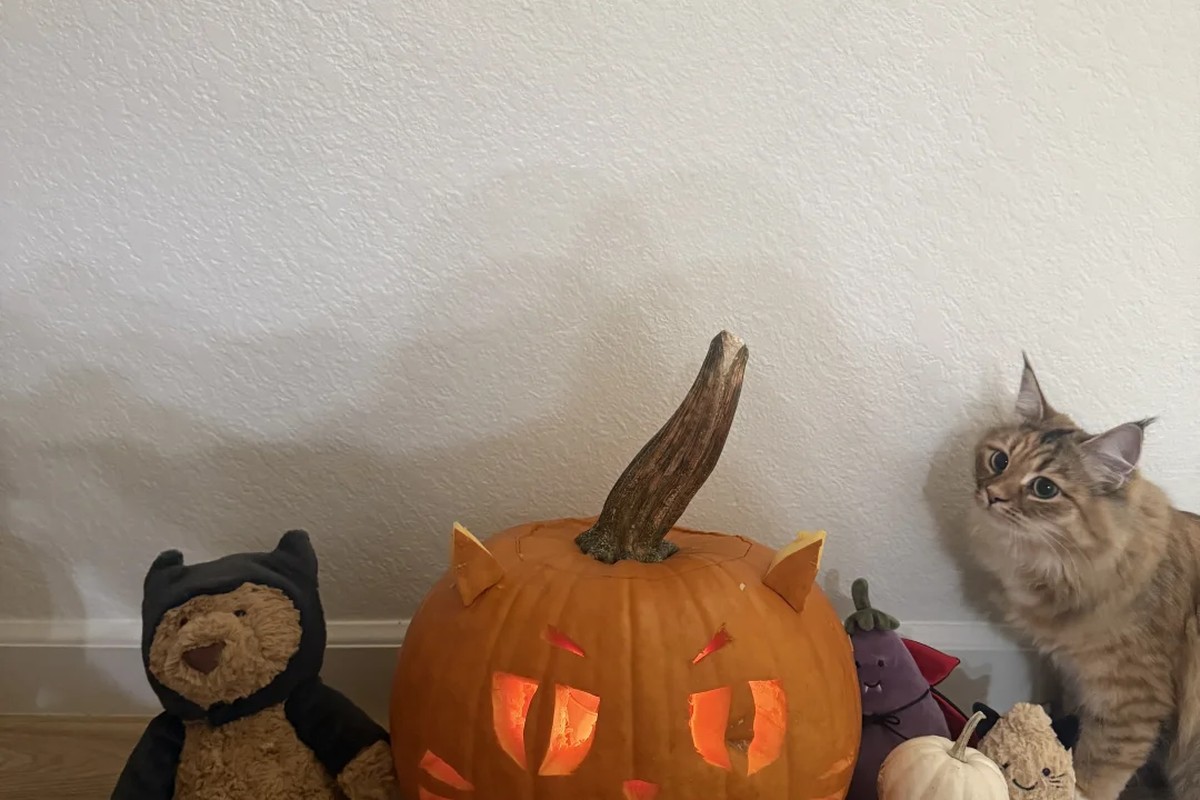
Every fall, the same question pops up in cat owner groups: can cats eat pumpkin? Last October, with pumpkins everywhere and my sensitive-stomach cat Tofu having one of his “I’m not eating that” weeks, I decided to find out for real. Not by Googling one article and nodding — but by reading the science, talking to our vet, and slowly testing plain pumpkin puree with my own cats over several weeks.
Here’s the short version: yes, plain cooked pumpkin is safe for most cats in small amounts, and it genuinely helped Tofu’s digestion. But there are limits, and there’s a scary amount of misinformation out there. Let me walk you through what I learned from my kitchen experiments, including the exact amounts that worked, the mistakes I almost made, and the pumpkin products you should absolutely never feed.
What I Learned About Pumpkin and Cat Digestion First
Before I let Tofu anywhere near a can of pumpkin, I wanted to understand why pumpkin is recommended for cats at all. The answer, as my vet explained, comes down to fiber.
Pumpkin is rich in soluble fiber, which can do two helpful things in a cat’s digestive tract. First, it can firm up loose stools by absorbing extra water. Second, it can add bulk that helps constipated cats move things along. Cats are obligate carnivores, so they don’t need vegetables nutritionally — but fiber is a tool, not a meal. Think of pumpkin less as “superfood” and more as a gentle digestive aid you might add for a specific problem.
Tofu is our sensitive-stomach cat. He’s a gray tabby with a dramatic streak, and his gut has opinions about literally everything: new food, stress, the neighbor’s dog barking, Tuesday. We’d already spent months finding a diet that worked for him, and you can read the full saga in my guide to cat food for sensitive stomachs. When his poops got soft one week and the vet suggested a little fiber, I asked: what about pumpkin?
The vet’s answer surprised me. “Sure,” she said, “plain pumpkin puree, a small amount. But no pie filling, no spices, no added sugar, and don’t overdo it.” That last part became important fast.
How I Tested Pumpkin With My Cats (And the Amounts That Worked)
Here’s the thing about feeding cats pumpkin: it’s all about the amount. Too much, and you get the opposite problem — loose stools or diarrhea, plus a cat who looks personally offended.
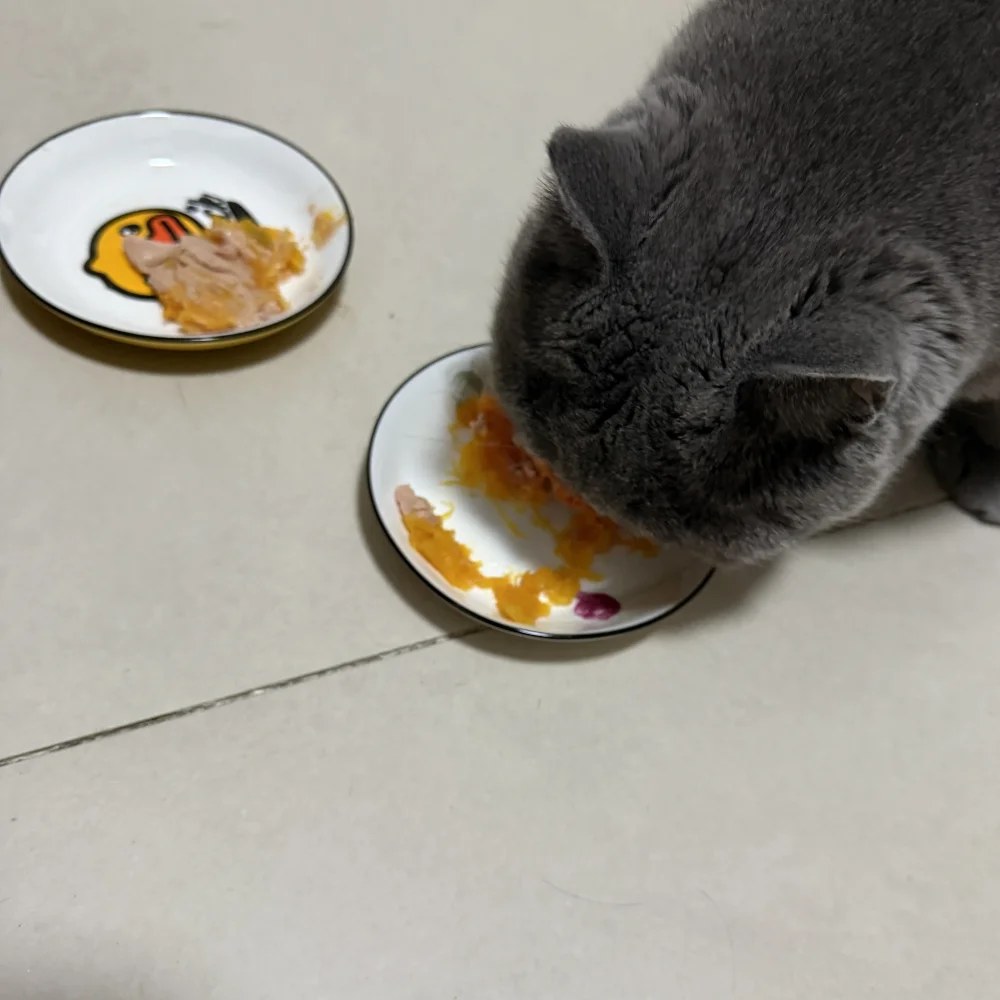
I started Tofu on a tiny dose: about half a teaspoon of 100% pure pumpkin puree, mixed into his wet food once a day. I used plain canned pumpkin, not pumpkin pie filling. Let me say that again because it matters: plain pumpkin puree only. The ingredient list should say “pumpkin” and nothing else.
What happened? For the first few days, nothing dramatic — which is exactly what you want. Then, slowly, his stools firmed up. By day four or five, I was a believer. We kept the half-teaspoon dose for two weeks and saw steady, gentle improvement without any tummy drama.
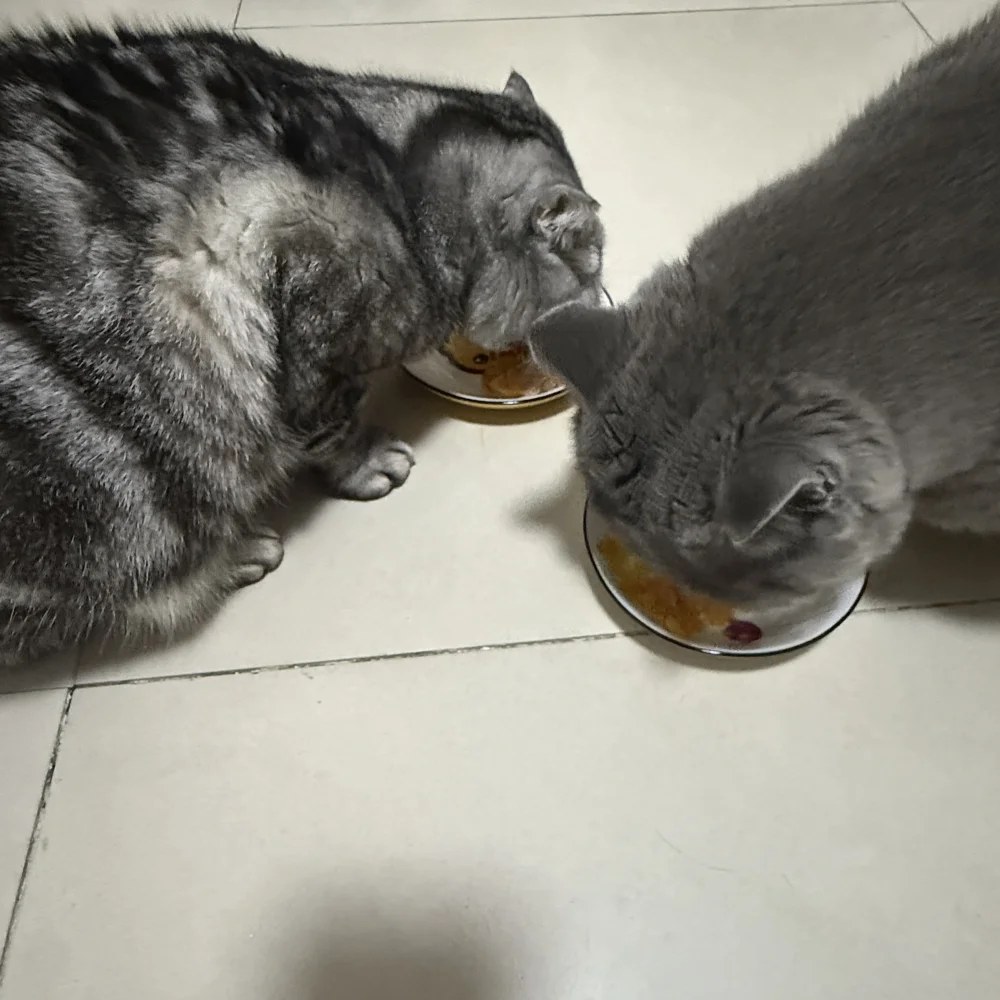
Then I got cocky. I read online that some cats can handle a teaspoon or more, and I bumped Miso, our tabby, up to a full teaspoon. Miso is a bottomless pit who would eat the can if I let him, so I figured he’d be fine. Two days later, Miso had soft stool and was giving me the side-eye from under the couch. Lesson learned: start small, stay small. For an average adult cat, I now stick to about half a teaspoon to one teaspoon per day, max, mixed into food — never as a standalone meal.
The Rule of Thumb That Helped Me
The dosing formula I’ve seen from multiple sources is roughly 1% of a cat’s body weight per day as an absolute ceiling, and most cats need far less. For an 8-pound cat, that’s about 1.2 tablespoons — but honestly, I’d never feed that much. Half a teaspoon is a fine starting point. You’re aiming for “a little extra fiber,” not “a pumpkin smoothie.”
The Benefits I Actually Saw (and One I Didn’t)
I’m a “show me the receipts” person, so here’s what I observed with my own cats:
- Firmer stools for the sensitive one. Tofu’s soft-stool episodes became less frequent when pumpkin was in the rotation. This matches what the fiber science predicts.
- A little extra hydration. Wet food already helps, but mixing in pumpkin puree nudges water intake up. Tofu drinks like a camel with performance anxiety, so every drop helps.
- A useful “add-in” for picky eaters. Miso thinks pumpkin puree is delicious and it made his regular food more exciting. On the flip side, Tofu initially sniffed it like it was a suspicious mushroom, so picky cats may need time.
One benefit I did NOT see: pumpkin did not magically fix Miso’s hairball situation. He’s our shedding champion, and pumpkin alone wasn’t enough. If your cat has hairball trouble, pumpkin can be a small part of the picture, but proper grooming and hairball-specific supplements do the heavy lifting. For us, a good probiotic routine paired with pumpkin was the combo that finally settled Tofu’s gut. I use a cat-specific probiotic powder with our vet’s blessing, and it’s been part of the routine for two years now. Probiotics and pumpkin aren’t competing — they work on different parts of the digestion equation.
When Pumpkin Is a Bad Idea (Please Read This)
Pumpkin is safe for most cats, but not all cats, and not in all forms. Here’s my “do not do this” list, built from research and one near-miss:
Never feed pumpkin pie filling. This is the big one. Pumpkin pie filling contains added sugar, spices like nutmeg and cinnamon, and sometimes xylitol or other sweeteners — all of which can be toxic or at least very irritating to a cat’s digestive system. The label says “pumpkin pie filling,” not “pumpkin.” They are not the same product. I triple-checked every can before opening it, because the packaging is deceptively similar.
Don’t feed raw pumpkin. Raw pumpkin is hard for cats to digest and poses a choking or blockage risk. Always use cooked, plain pumpkin — either canned 100% pure pumpkin or freshly cooked and mashed.
Skip the seeds for snacking. Whole pumpkin seeds are a choking hazard and hard to digest. If a cat accidentally swallows a few, they’ll usually pass through, but don’t hand them out as treats.
Avoid pumpkin with added salt, sugar, or spices. Read the ingredient list like your cat’s life depends on it, because it kind of does. The only acceptable ingredient is pumpkin.
Don’t use pumpkin as a replacement for medical care. If your cat has persistent vomiting, diarrhea, blood in the stool, or a sudden appetite change, pumpkin is not the answer — that’s a vet visit. Pumpkin treats symptoms, it doesn’t diagnose them. I keep this in perspective because it’s easy to fall into “well, the internet says pumpkin fixes everything” thinking, and that’s how real problems get delayed.
What I Feed Now: Pumpkin in My Cat’s Routine
After several weeks of testing, here’s what our routine looks like during pumpkin season:
- The base food stays the base. Pumpkin is an add-in, never a replacement for a complete, balanced cat food. We stick with high-quality wet food as the foundation — for Tofu, that means a wet food lineup he actually eats. The grain-free wet food we keep in rotation is the same reliable brand on Amazon, and it’s survived two picky-eater phases without drama.
- The daily add-in. About half a teaspoon of plain puree, mixed into wet food, once a day. Only when Tofu needs the fiber support — I don’t feed it every single day year-round.
- The fall treat version. A tiny smear of pumpkin puree on a lick mat or a silicone spoon, frozen, makes a great enrichment treat on a warm October afternoon. Frozen pumpkin puree on a lick mat kept Miso busy for ten whole minutes, which for him is basically a lifetime achievement.
For the puree itself, I use plain canned pumpkin with zero additives — the kind that lists one ingredient. The 100% pure pumpkin from Libby’s is what we keep in the pantry, and I’d also recommend it because the texture is consistent and easy to portion. Libby’s 100% Pure Pumpkin on Amazon is our go-to. A 15-ounce can lasts a surprisingly long time when you’re portioning half-teaspoons.
FAQ: Pumpkin for Cats
Can cats eat pumpkin every day?
Technically yes, in small amounts, but I don’t recommend it as an everyday habit. Pumpkin is a digestive tool — use it when your cat needs fiber support, not as a permanent dietary crutch. Too much fiber can interfere with nutrient absorption and cause loose stools.
Is canned pumpkin the same as pumpkin pie filling?
Absolutely not. Canned pumpkin is just cooked, pureed pumpkin. Pumpkin pie filling has sugar, spices, and other additives that can be toxic to cats. Always check the label — the only ingredient should be “pumpkin.”
How much pumpkin can I give my cat?
Start with half a teaspoon once a day, mixed into food. For most adult cats, one teaspoon daily is a reasonable ceiling. Watch their stools: if they get loose, cut the dose or stop.
Can kittens eat pumpkin?
Check with your vet first. Kittens have delicate digestive systems, and most don’t need fiber supplementation. When in doubt, don’t.
What if my cat ate pumpkin pie filling?
Contact your vet or a pet poison control line immediately. The sugar and spices, especially nutmeg and xylitol if present, can be dangerous. Don’t wait for symptoms.
My Bottom Line
Can cats eat pumpkin? Yes — plain, cooked, unsweetened pumpkin in tiny amounts can be a genuinely useful digestive aid. I’ve seen it help my sensitive-stomach cat, and with careful dosing it’s become part of our fall toolkit. But it’s not a magic bullet, it’s not a food replacement, and the wrong “pumpkin” product can hurt your cat.
Start small, check the label, watch the poop, and keep pumpkin as what it should be: a small, helpful tool in a bigger picture of good nutrition, regular vet care, and lots of chin scratches.
Disclaimer
Prices and availability are accurate as of the publication date and may change. Please check the product page for current pricing.
This post may contain affiliate links. If you buy through these links, I may earn a commission at no extra cost to you. I only recommend products I’ve actually used with my own cats.
Love cats? Get more tips like this
Join our newsletter for practical cat care guides, honest product roundups, and new posts delivered straight to your inbox. No spam — unsubscribe anytime.