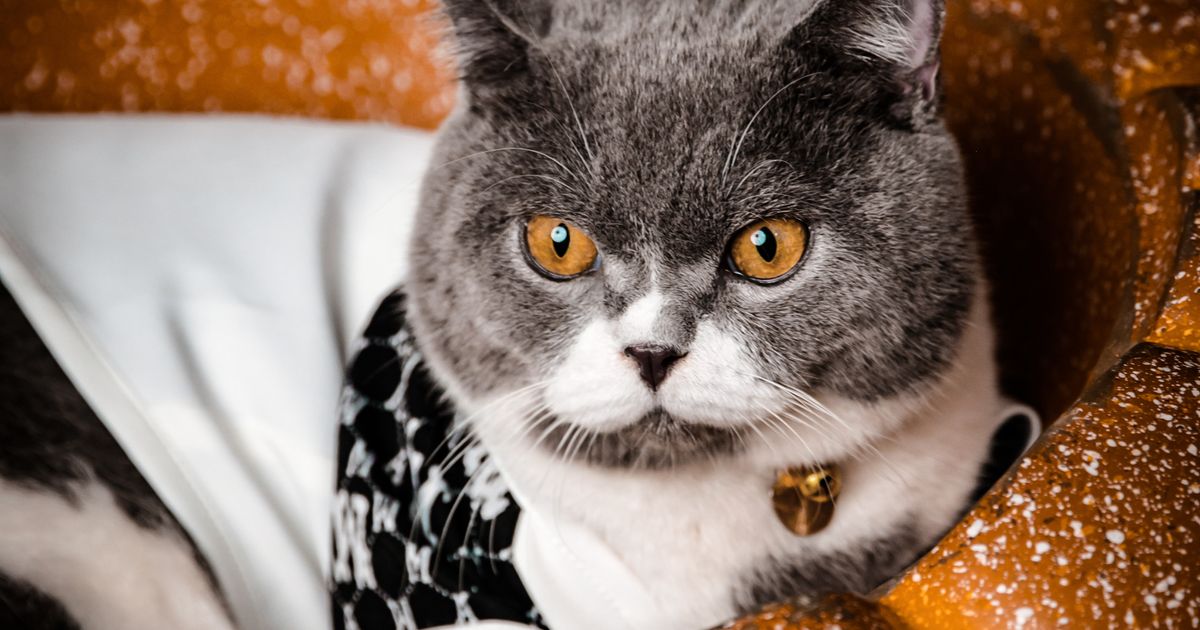
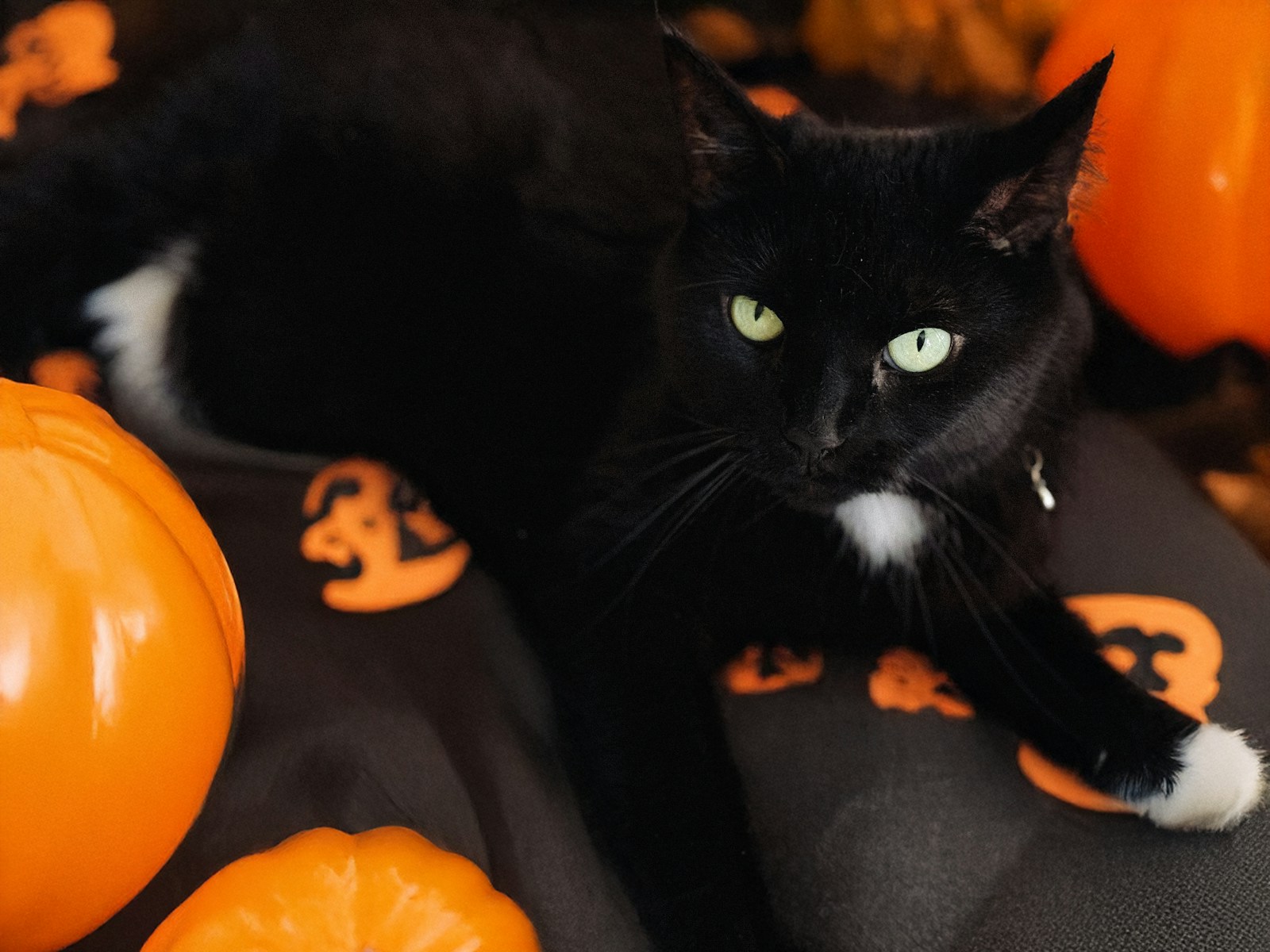
Pumpkin carving with cats is my favorite fall tradition, and this year I learned exactly how to keep it safe. It’s also, apparently, the activity my cats find most fascinating. The second I pull out a carving knife and a fresh pumpkin, Miso appears from nowhere, tail high, eyes locked on the pumpkin like it’s the most interesting prey he’s ever seen.
I get it. From a cat’s perspective, carving night is a buffet of temptations: stringy pumpkin guts to investigate, seeds to bat around, a glowing light source to poke, and a person sitting perfectly still on the floor — which is an invitation to walk directly through the work zone.
Last year, Miso got within six inches of a real candle before I caught him, and that was the wake-up call I needed. Carving with cats in the house is doable — I’ve carved five pumpkins a season for years — but it takes real safety planning. Here’s exactly how I do it, including the mistakes I made so you don’t have to.
Why Pumpkin Carving Is a Cat Magnet (the Risks, Plainly)
Let me break down what’s actually dangerous, because “keep the cat away from the pumpkin” is too vague to be useful.
The knife. This is the most obvious danger. Pumpkin carving knives are sharp, and a curious cat who bats at a moving blade can slice their paw, tongue, or face. Plus, if a cat weaves underfoot while you’re carving, they can trip you — and then the knife goes somewhere worse. Miso’s favorite move is rubbing against my ankle exactly as I’m making the final cut. It’s adorable and terrifying in equal measure.
The real candle. A lit candle inside a carved pumpkin is a classic Halloween image and a classic cat hazard. Cats are drawn to movement and warmth. A flickering flame is basically a cat toy. The risks: singed whiskers, burned paws, a knocked-over pumpkin with an open flame (fire hazard!), or hot wax landing on fur. Every single year, vets see burned cats during Halloween week.
The pumpkin guts. The stringy interior and the seeds are not toxic, but they’re not food either. If a cat eats a wad of raw pumpkin guts, it can cause vomiting or diarrhea — it’s hard for their digestive system to process. The seeds are a choking hazard. Plus, a pile of guts on the floor is a treasure trove a cat will absolutely roll in, which is gross and also puts them near your knife.
The chaos factor. Halloween night means doorbells, strangers, and candy — combined with carving, it’s a lot of novelty at once. A cat who’s already on edge from the doorbell circus is more likely to bolt or act out. The safest carving session is one that happens when the house is quiet and the cat is calm.
Before You Carve: Set Up a Safe Zone
My number one rule now: no carving happens until the cats are somewhere else. This is non-negotiable, and it’s the single biggest improvement I’ve made.
Here’s my pre-carving routine:
- Move the cats to a quiet room. The bedroom with the food, water, litter box, and favorite blanket. Shut the door. This isn’t “locking the cat up” — it’s protecting them from sharp objects and flames. Carving takes me 30–40 minutes per pumpkin; the cats get a calm, safe space for the same time.
- If you can’t fully separate them, supervise at all times. Some cats are escape artists who can open doors (Tofu can, unfortunately). If the cats are loose, carving only happens with eyes on both the knife and the cat. No “I’ll just cut this one corner” while the cat sniffs the blade.
- Carve at a table, not the floor. Floor carving puts everything at cat height and makes it way too easy for a cat to “help.” A table at hip height keeps the work zone out of reach, and any guts that fall are contained in one spot.
- Have a clean-up plan before you start. One garbage bag right next to you, with a lid or tied top if possible. Every scrap of guts and every seed goes in immediately. Don’t leave a pile of pumpkin innards on the counter “for later” — that’s an invitation.
The Tools: Sharp Knives Stay Away From Cats
I use a proper carving kit, and I’m careful about how I handle it:
- Use purpose-made carving tools, not kitchen knives. Carving kits have serrated saws designed for pumpkin flesh, which are safer for you too — they’re less likely to slip. The blades are still sharp, so the respect rules are the same: tools on the table, never on the floor, never unattended.
- Put tools away the second you’re done. Don’t leave a knife on the table to “clean up in a minute.” Once I finish carving, the first thing I do is put every tool back in the kit and close it. A curious cat who finds a knife is a trip to the emergency vet.
- No carving while distracted. No answering the door mid-cut, no checking your phone with a knife in your hand. If the doorbell rings, knife goes down first, then you move.
For a solid starter setup, the pumpkin carving tool set we use has a good range of saws and scoopers. If you’re starting from zero and want lights included, there’s a carving kit with LED candles that bundles the two main safety upgrades in one box — sharp tools done right, plus flameless lighting from the start.
Ditch the Candle: LED Is Safer and Honestly Looks Better
I know the real-candle purists will fight me on this, but hear me out: after a year of chasing Miso away from a flame, I switched to LED pumpkin lights and never looked back. Here’s why:
- Zero burn risk. No singed whiskers, no burned paws, no melted wax on fur. For a cat owner, that alone is worth it.
- Zero fire risk. A knocked-over pumpkin with a battery-powered light is a bump, not a house fire.
- They look fantastic. Modern LED pumpkin lights are warm-toned and flicker realistically. My jack-o’-lanterns look 90% as good as candle versions, and they stay lit all night without me babysitting them.
- They’re practical. Rechargeable or battery-operated, they turn on with a switch instead of a lighter. No smoke, no smell, no wax.
We use a set of LED pumpkin lights that are dimmable and warm — they honestly make the porch glow. If you must use a real candle:
- Only when you’re actively supervising.
- Never near a cat’s walking path, table edge, or low shelf.
- In a wide, heavy base that can’t tip easily.
- Extinguished and stored away when you leave the room.
After Carving: The Pumpkin Is Still a Cat Magnet
Carving is over, but the safety work isn’t done. Here’s the post-carving checklist:
- Clean the workspace thoroughly. Guts, seeds, and pumpkin juice are cat attractants. Sweep and wipe down the table and floor before letting the cats back in.
- Place carved pumpkins out of cat reach. A pumpkin on the floor is a toy. On a high porch, shelf, or mantle, it’s decor. I keep indoor pumpkins on shelves the cats can’t jump to (yes, that limits the options with athletic cats — Miso has cleared a six-foot shelf, so I aim higher).
- LED lights, always, indoors. If the pumpkin has a real flame and lives indoors, that’s a disaster waiting for a cat tail to brush past.
- Watch for pumpkin-eating behavior. Some cats nibble pumpkin flesh out of curiosity. A small amount is usually fine, but if your cat vomits or has diarrhea after eating raw pumpkin guts, that’s the sign they got into the pile. For digestive support — if you want to offer your cat pumpkin as a safe fall treat — use plain canned pumpkin puree, not raw carving leftovers. The 100% pure pumpkin puree I use for treats is the same safe, additive-free kind you’d feed on purpose, and it’s a completely different thing from the guts on your carving table.
If your cat is the type who wants to be involved in everything, the safety habits here are the same ones from my general cat-proofing guide — remove the hazard, control the environment, and give the cat a safe alternative.
The Carving Session, Step by Step
Here’s what a safe carving session looks like at our house now:
- Morning: Set up the cat suite (quiet room, food, water, litter, blanket).
- Before carving: Cats go to the suite. Door closed. Quick check that they have everything.
- Carving time: Tools out only when I’m actively carving. Guts go straight into the closed trash bag. No phone, no door-answering.
- After each pumpkin: Tools back in the kit, immediately.
- After all carving: Wipe down, sweep, let the cats out, and place pumpkins on high, cat-proof surfaces with LED lights.
- Evening: Enjoy the glow. Watch Miso gaze at the pumpkin like it’s the best TV show he’s ever seen, from a safe distance.
FAQ: Carving Pumpkins Around Cats
Can I carve pumpkins if my cat is in the same room?
It’s risky. If it’s unavoidable, carve at a high table, keep tools in hand or put away, and never leave a knife unattended. But the safest option — and the one I recommend — is carving in a closed room while the cat enjoys their own quiet space.
What if my cat eats pumpkin guts?
A small amount of raw pumpkin is usually not toxic, but it can cause vomiting or diarrhea because it’s hard to digest. Watch for symptoms. If they vomit repeatedly, refuse food, or seem lethargic, call your vet. Seeds can be a choking hazard — if you suspect a blockage, seek help immediately.
Are LED pumpkin lights really as safe as they seem?
Much safer than candles for cats. No heat, no flame, no burn risk. Just keep the battery compartment secure and supervise the first few sessions, since a cat might still try to bat at a glowing pumpkin.
How do I keep my cat calm during carving?
Separate them into a prepared quiet room with familiar items. If your cat gets anxious during Halloween generally, consider calming support — our calming product roundup covers the pheromone and supplement options that helped our more sensitive cats.
My cat loves watching the pumpkin glow. Is that OK?
Yes! A cat watching a LED pumpkin from a safe distance is adorable and harmless. The problem is only when they get too close to flames, blades, or guts. Keep the decor out of reach and let them enjoy the show.
The Bottom Line
Pumpkin carving and cats can coexist — you just have to respect the fact that a curious cat sees a carving station as a hazard amusement park. Separate them during the knife work, clean up the guts immediately, ditch the real candles for LED lights, and put finished pumpkins somewhere a cat can’t reach. That’s the whole recipe, and it’s how I carve five pumpkins a season with three very curious cats and zero trips to the emergency vet.
The best part? The cats now associate carving night with a cozy room and a quiet nap, not a knife scare. And Miso gets to admire the glowing pumpkins from a distance, like the dignified pumpkin connoisseur he was always meant to be.
Disclaimer
Prices and availability are accurate as of the publication date and may change. Please check the product page for current pricing.
This post may contain affiliate links. If you buy through these links, I may earn a commission at no extra cost to you. I only recommend products I’ve actually used with my own cats.
Love cats? Get more tips like this
Join our newsletter for practical cat care guides, honest product roundups, and new posts delivered straight to your inbox. No spam — unsubscribe anytime.