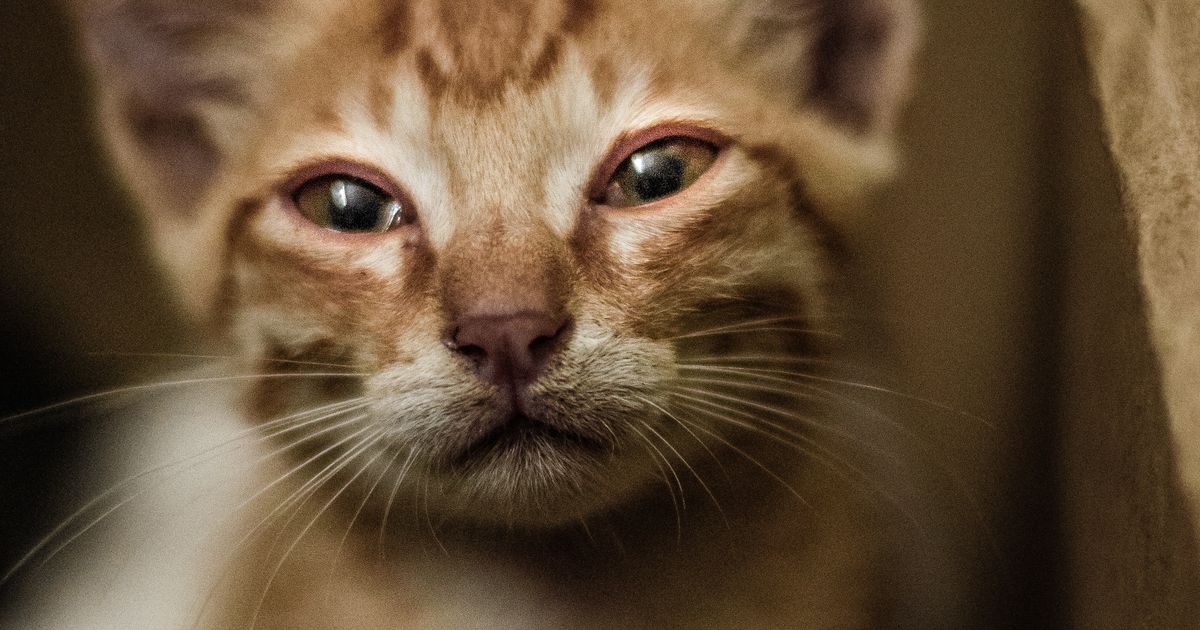

Illustration: a cat digging treats out of an Interactive Cat Puzzle Toy.
Disclosure: This post contains affiliate links. If you buy through them, we may earn a commission at no extra cost to you. As an Amazon Associate I earn from qualifying purchases.
Spotting cat depression signs early makes all the difference. Below, we cover the 7 cat depression signs you might be missing — and the practical steps, toys, and routine changes that help your indoor cat feel like herself again.
The “Good Cat” TrapYour cat is quiet, tidy, and “so well-behaved” all day. That sounds like a compliment — and it often is. But it’s also one worth double-checking.
Here’s the thing: a calm, undemanding cat can be perfectly healthy and happy. In some cats, though, the same stillness is a signal rather than a compliment. It can point to low stimulation, mild anxiety, or a slow slide into apathy. Behaviorists even have a name for the extreme version: learned helplessness, when a cat stops reacting to her environment because nothing in it seems to respond back.
The good news is that this is one of the most fixable problems in cat care. The path is practical and straightforward:
- Rule out medical issues first. Pain and illness can masquerade as depression in cats, so a vet check is always step one.
- Enrich the environment. More vertical space, foraging games, and interactive toys change the daily equation for an indoor cat.
- Use targeted support while she adjusts. Calming aids and puzzle toys can bridge the gap while the environment catches up.
Read on for the 7 signs, the root causes, and the products that actually help.
Cat Depression Is More Common Than You Think
A 2020 study in PLoS ONE (de Souza Machado et al.) found that 13.5% of cats show separation-related behaviors — a questionnaire survey of 223 cats identified 30 (13.5%) that met the behavioral criteria for separation-related problems.
In clinical practice, animal behaviorists report that anxiety and depression-like signs in pets are far more common than most owners realize.
But here’s the twist that every cat owner needs to hear:
Many cats presented for “depression” are actually suffering from underlying pain or medical illness — veterinary behaviorists say pain and disease are among the most common hidden causes.
Cats are masters at hiding discomfort. In the wild, showing weakness means becoming prey. So they mask pain until it becomes unbearable. What looks like sadness might be arthritis, dental disease, or chronic bladder inflammation.
That’s why the first step is always a vet check. But if your cat gets a clean bill of health, the problem may be environmental — and that’s where you can make a real difference.
Why “Being Good” While You’re Away Is a Red Flag
Let’s zoom in on the exact scenario most owners never think twice about: the empty apartment, the closed door, and the eight hours of silence.
A cat left alone with no stimulation doesn’t “rest” the way we imagine. She cycles through her limited options — sleep, stare at the window, pace, sleep again — until the loop becomes the whole of her life. Researchers call this environmental deprivation, and in cats it produces visible behavioral changes: less exploration, fewer vocalizations, reduced play drive, and a flat, unresponsive demeanor.
The giveaway is in the eyes. A genuinely relaxed cat settles into a soft, loose posture. A shut-down cat keeps her eyes wide and watchful, or stares at nothing with a “flat” gaze — alert but not engaged, present but not alive. Owners who spend time with their cats daily (even briefly) report that these same cats suddenly “come back to life” with their eyes brightening and their bodies loosening once enrichment is added.
The message is simple: quiet is not the same as content. If your cat is silent all day every day, treat it as a question, not a compliment. For anxious or stress-prone cats, calming products for anxious cats can be a helpful piece of the puzzle while you work on the environment.
7 Subtle Signs Your Cat Might Be Depressed
Depression in cats doesn’t look like human depression. It looks like a gradual fading of normal behaviors.
- Anhedonia (loss of pleasure) – Your cat no longer gets excited about treats, toys, or greetings. The things that used to make her purr now get a blank stare.
- Excessive hiding – She spends more time under the bed, in closets, or behind furniture. Not just for naps — but as a permanent retreat. Hiding is normal in small doses; living hidden is not.
- Changes in grooming – Either over-grooming (bald patches, raw skin) or under-grooming (greasy, matted fur).
- Appetite changes – Eating significantly less or more. Weight loss or gain. Some depressed cats lose interest in food entirely; others stress-eat.
- Litter box avoidance – Peeing outside the box is often a sign of stress, not spite. It’s frequently linked to feline idiopathic cystitis, which is exacerbated by anxiety.
- Sleeping more, moving less – Lethargy that isn’t just a normal cat nap. She seems “flat.”
- Vocalization changes – Some cats become eerily quiet. Others howl at night. A sudden shift in either direction is worth attention.
If you notice two or more of these signs persisting for more than a week, it’s time to act.
The Root Causes: It’s Usually Not “Just Personality”
Cat depression rarely comes out of nowhere. The most common triggers are:
- Environmental upheaval – Moving, new baby, new pet, changed work schedule, even rearranged furniture. If a new cat is part of the change, a slow, structured introduction for a new cat to your resident cat makes a big difference.
- Lack of stimulation – An indoor cat’s life can become a monotonous loop of eat, sleep, repeat. Without hunting, exploring, and problem-solving, their brains literally atrophy. This is the single most common cause of the “quiet, flat” indoor cat — and the easiest one to fix.
- Social isolation – Despite their reputation as loners, many cats bond deeply with their humans. Long hours alone can trigger separation anxiety, especially in cats who were raised with constant company.
- Chronic pain or illness – As mentioned, this is the hidden culprit in most cases. Rule it out first.
The Underrated Solution: Environmental Enrichment
If your vet rules out medical issues, the most effective “antidepressant” for cats isn’t a pill — it’s a richer environment. This is called environmental enrichment, and it works on five levels.
1. Physical Space
Cats need vertical territory. Cat trees for small apartments, wall shelves, and window perches for indoor cats give them a sense of control and safety. Multiple hiding spots reduce chronic stress.

Illustration: a multi-level cat tree with scratching posts.
2. Foraging
Instead of free-feeding, put food in puzzle feeders or snuffle mats. This mimics natural hunting and activates the brain’s reward system. Many owners report that a handful of freeze-dried treats inside a puzzle keeps a cat engaged for 20–30 minutes at a time.
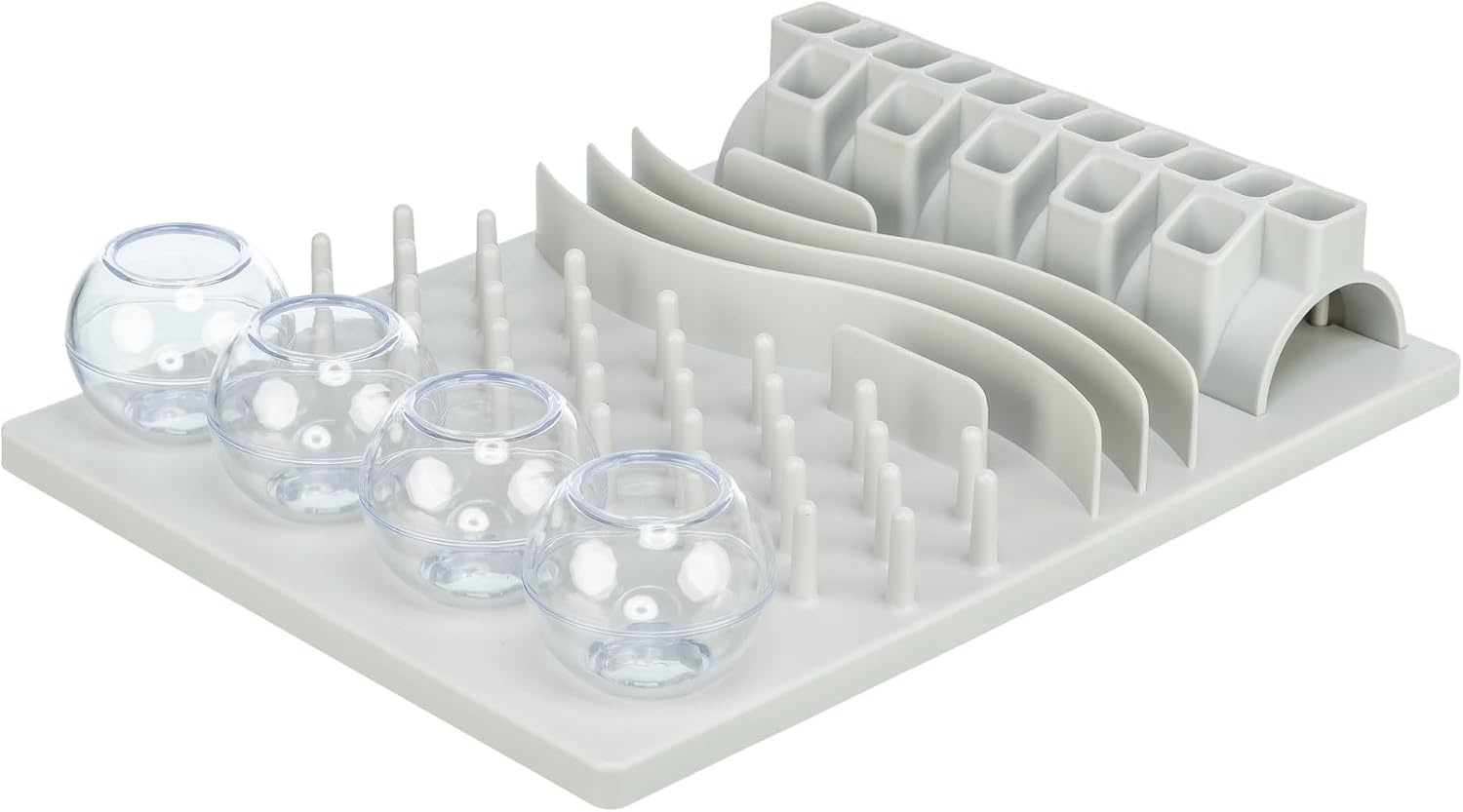
Illustration: a sliding-puzzle board game that makes cats work for treats.
3. Sensory
Pheromone diffusers (like Feliway) can mimic the “safe” scent cats leave when rubbing their faces. Calming music and bird-watching windows also help.
4. Social
Schedule two 15-minute play sessions daily with a wand toy. Let your cat complete the full hunt–catch–kill sequence. This builds confidence.

Illustration: a cat chasing a feather wand during an interactive session.
5. Solo Enrichment
This is the level that saves the “quiet all day” cat. For when you’re away: leave interactive toys that dispense treats. These give your cat a sense of accomplishment while alone.
The breakout star here is the Interactive Cat Puzzle Toy (a felt hide-and-seek treat toy) — a thick, soft felt mat dotted with a dense grid of small holes and pockets, with some versions built as sturdy cardboard mazes with ramps and hidden compartments. You hide balls, bells, and treats inside, and your cat spends long stretches digging, pawing, and fishing them out.
Why they work so well:
- They hijack a real instinct. Cats are wired to poke, prod, and fish into crevices — the same drive that makes them love cardboard boxes and paper bags.
- They deliver solo gratification. No human required. Your cat gets the hunt, the capture, and the reward all by herself, which is exactly what a lonely indoor cat needs.
- They’re safe for solo play. Thick felt is durable, doesn’t shed, and stands up to scratching and light chewing. Sturdy cardboard mazes hold up to enthusiastic batting. Bells and treats hidden inside keep the game fresh.
- They double as slow feeders. Scatter kibble or freeze-dried treats into the holes or compartments and your cat has to work for every bite — slowing down fast eaters and stretching meal time into play time.
Real Owner Feedback: What Cat Parents Say About Interactive Puzzle Toys
You don’t have to take our word for it. Here’s what real owners reported after buying an Interactive Cat Puzzle Toy for their cats (collected from a popular cat-owner community):
“I use it as a slow feeder. I toss in a handful of freeze-dried treats and she goes absolutely wild.” — top-voted owner review
“My kitten loves it so much that when she plays herself tired, she just falls asleep right on top of it.” — owner of a high-energy kitten
“The quality is solid. My cat didn’t get it at first, but she slowly learned to play with it over a couple of weeks.” — owner reporting a gradual adoption
“The bell sound is completely normal — my cat loves chasing it.” — owner confirming the toy’s bell isn’t a concern
“Very easy to set up, and my cat loves it.” — owner praising the setup
“I bought one, but my cat never even looked at it. I ended up throwing it away.” — the honest counter-example
That last review matters. Not every cat takes to an Interactive Cat Puzzle Toy instantly. Some cats need a week or two of gradual introduction: start with high-value treats in the top holes, bait it with catnip, or play with it yourself for a few minutes to show your cat it’s interesting. And some cats simply prefer wand toys or food puzzles instead. If yours won’t touch it, try a different style of solo enrichment — variety is part of the point.
Product Recommendations to Support Your Cat’s Mental Health
Here are real, proven products for anxious and lonely indoor cats. They’re not magic cures — but combined with vet care and environmental changes, they can make a real difference.
Prices are accurate as of publication and may change. Please check the current price on Amazon before purchasing.
FELIWAY Classic Cat Calming Diffuser Kit
This plug-in diffuser releases a synthetic copy of the feline facial pheromone, which signals safety and calm. Owners often report reduced over-grooming and hiding within two weeks of use.
Price: $33.99
Pros
- Mimics the “safe” facial pheromone cats naturally leave when rubbing their faces — drug-free and commonly recommended by vets
- One diffuser covers a full room for about 30 days per refill
- Owners frequently report less over-grooming and hiding within two weeks
Cons
- Needs continuous refills, which add up over time
- Not every cat responds noticeably — results vary
- Works best alongside environmental changes, not as a standalone fix
Best for: stressed or anxious cats in multi-pet households, and cats showing over-grooming or excessive hiding.
TRIXIE Cat Activity Fun Board Strategy Game
A sliding-puzzle board game that makes your cat work for kibble or treats by sliding, lifting, and fishing through its compartments. It’s perfect for solo enrichment and slowing down fast eaters — many cats will bat at it for 20 minutes straight.
Price: $15.89
Pros
- Affordable and built from durable plastic that survives daily pawing
- Sliding, lifting, and fishing compartments mimic natural foraging
- Doubles as a slow feeder for fast eaters
Cons
- Lightweight enough to slide on smooth floors unless anchored
- Most cats need a few days of guided introduction
- Compartments collect kibble crumbs and need regular cleaning
Best for: owners adding their first solo food-puzzle to the rotation.
Amazon Basics Cat Tree Tower
Vertical space is non-negotiable for indoor cats. This multi-level tower comes with scratching posts and a cozy top perch, giving your cat a safe vantage point and a place to scratch, climb, and nap.
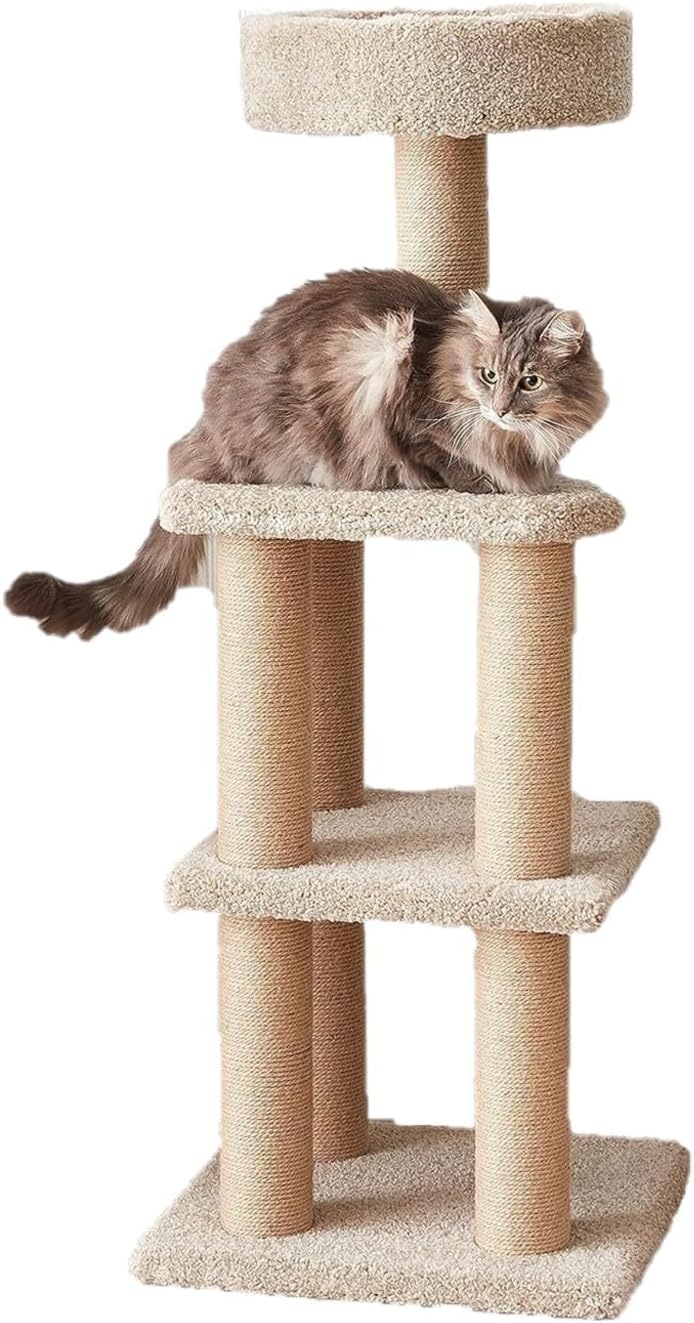
Illustration of the product.
Price: $67.71
Pros
- Multi-level design with scratching posts and a roomy top perch
- Solid, stable base that holds up to enthusiastic climbing
- Strong value for the price point
Cons
- Assembly takes 20–30 minutes with the included tools
- Plush surfaces need occasional vacuuming and spot cleaning
- Very tall cats may prefer an even higher vantage point
Best for: small apartments that need vertical territory on a budget.
Cat Dancer Products Charmer Interactive Cat Toy
The best tool for social play. This lightweight interactive wand-style toy with feather attachments lets you vary the “prey” from session to session. Ten minutes of active play can boost your cat’s mood instantly.
Price: $7.43
Pros
- Instant engagement — most cats chase it on the first try
- Interchangeable feather attachments keep sessions varied
- Very affordable, lightweight, and easy to store
Cons
- Requires human participation — it’s not a solo toy
- Feather tips wear out and need periodic replacement
- Keep it coiled up when not in use to avoid tangles
Best for: owners who can commit to two short interactive play sessions a day.
LEGITPET Cat Calming Treats
These soft chews contain natural ingredients like hemp, L-tryptophan, and valerian root. They’re not a substitute for vet care, but they can take the edge off during stressful events (like fireworks or travel).
Price: $20.99
Pros
- Natural ingredients — hemp, L-tryptophan, and valerian root
- Soft chew format is easy to give before a stressful event
- Useful for fireworks, travel, and vet visits
Cons
- Not a substitute for vet care or environmental fixes
- Needs consistent daily dosing for the best effect
- Some cats simply refuse the flavor
Best for: short-term stress relief around predictable events like fireworks or travel.
Cat Amazing Interactive Treat Maze and Puzzle CAT Toy
A sturdy cardboard puzzle with ramps and hidden compartments that tap into your cat’s hunting instinct. Hide treats inside and let your cat work them out solo — the same hide-and-seek enrichment that saves the “quiet all day” cat.
Price: $15.95
Pros
- Sturdy cardboard maze with ramps and hidden compartments
- Taps directly into natural digging and hunting instincts
- Difficulty can be adjusted by where you hide the treats
Cons
- Cardboard wears down with heavy daily use
- Rotate treat positions regularly to keep interest high
- First-time users may need patience during the introduction phase
Best for: “digger” cats that love pawing into holes, pockets, and hidden corners.
When to See a Vet
Important: This article is for educational purposes only and is not a substitute for a veterinary diagnosis. Never give your cat any medication — including fluoxetine or other supplements — unless prescribed by your veterinarian.
Please don’t try to treat depression on your own if your cat shows:
- Complete loss of appetite for over 24 hours
- Rapid weight loss
- Open sores from over-grooming
- Extreme lethargy or unresponsiveness
- Sudden litter box avoidance with straining
Your vet will rule out pain, thyroid issues, and other medical causes. If all is clear, they may refer you to a veterinary behaviorist. In severe cases, antidepressants like fluoxetine can be prescribed.
FAQ
Final Thoughts
That quiet cat on the windowsill might be perfectly content — or she might be quietly waiting for something to make life interesting again. The good news is that you don’t have to guess: a vet visit rules out pain, and a few weeks of consistent enrichment will usually tell you the rest.
Pick one small change today — an Interactive Cat Puzzle Toy, a puzzle feeder, a new perch, or a 15-minute play session — and repeat it daily. Cats respond to consistency far more than grand gestures.
Your cat doesn’t need you to be perfect. She just needs you to notice.
Love cats? Get more tips like this
Join our newsletter for practical cat care guides, honest product roundups, and new posts delivered straight to your inbox. No spam — unsubscribe anytime.