Best Orthopedic Cat Beds for Senior Cats (2026)
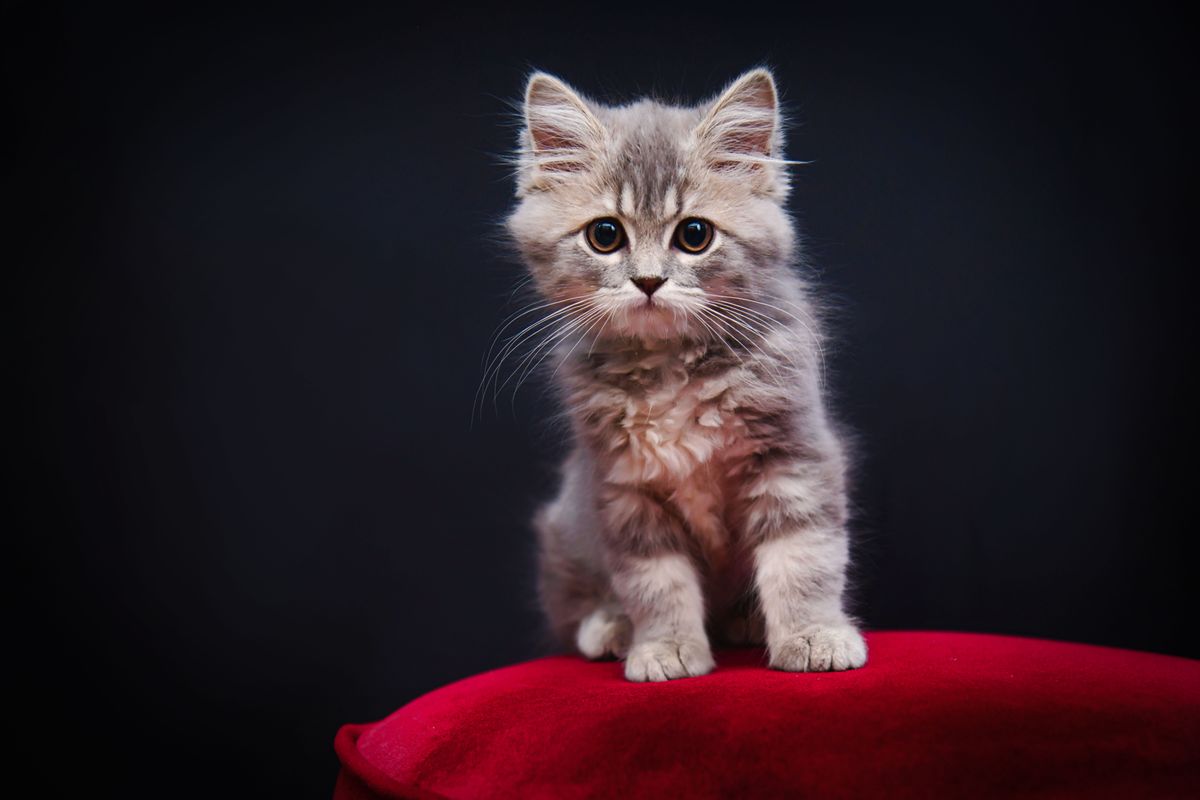
Sam is fourteen. He’s spent most of his life sleeping in the sun like a professional, and for the last couple of years, I’ve watched him take slightly longer to settle into his beds. He circles more, flops down more carefully, and sometimes just stands there staring at a bed like he’s negotiating with it. His favorite old bed — a flimsy, flat cushion from a big-box store — wasn’t doing him any favors anymore. His joints weren’t bouncing back the way they used to, and every surface he chose seemed wrong: too hard, too thin, too difficult to climb into.
That’s when I went down the orthopedic cat bed rabbit hole. There are dozens of them out there, and the marketing is relentless, but most of them are the same foam slab in different fabric. After testing several with Sam — and with a lot of help from my senior cat care guide — I found what actually matters for an old cat, and which beds earned a permanent spot in our house. Here are the ones I’d genuinely recommend in 2026.
The best orthopedic cat beds for senior cats share five non-negotiable features.
Orthopedic Cat Beds for Senior Cats: What to Look For
Before any product recommendations, let’s talk about what a senior cat’s body actually needs, because it’s not the same as a kitten’s or even an adult’s.
- Pressure relief. The big one. As cats age, they have less muscle and fat padding, especially over bony spots like hips and elbows. A good orthopedic bed uses a supportive but cushioning foam — usually memory foam or egg-crate foam — that distributes weight so no single joint is taking all the pressure.
- Low entry. Old cats lose the ability (and the will) to jump. A bed with a high wall on every side is a daily obstacle course. What you want is a low threshold or a gently sloped entry, ideally with a flat edge at least on one side so the cat can walk in instead of hop in.
- Easy to clean. Senior cats have accidents. They’re not being naughty; their systems aren’t what they used to be. A bed with a removable, machine-washable cover isn’t a luxury, it’s a requirement.
- Non-slip bottom. The classic trap: a beautiful bed that slides across the floor every time the cat gets in or out. On tile or hardwood, a non-slip base matters enormously.
- Right size. A bed that’s too small forces the cat into a tight ball, which is the opposite of joint relief. A senior cat wants to stretch out. Go a size up if you’re torn.
The Picks: Support, Low Entry, and Easy Clean
I tested beds across three price points and sizes, and three stood out for different situations. These are the ones I’d buy again — and in Sam’s case, two of them are now in permanent rotation.
The egg-foam couch for deep support — ZOMISIA Orthopedic Cat Couch Bed (B0DJXZR47F)) — This is the bed Sam currently refuses to leave. The base is a proper slab of egg-crate foam, so he sinks in just enough without bottoming out. The raised rim gives him somewhere to rest his head or hide his face, but the entry is low enough that he walks in like a gentleman instead of leaping. The cover zips off and goes in the washer, which, after one senior-cat incident, I can confirm is a lifesaver. If your cat needs one all-purpose orthopedic bed and you’re willing to spend a little more, this is the one.
The budget-friendly bolsters for multi-cat homes — [Bedsure Comfort-Hug Bolster Bed (B09M7XKX9Y)] — Miso, my six-year-old orange cat, claimed this one within a day, which means it’s now technically his, though Sam still uses it on rotation. It’s softer and less memory-foam-dense than the first pick, but it has the same low entry, washable cover, and non-slip bottom, at a noticeably lower price. For a household where one bed needs to serve more than one cat — or where the senior cat is a lightweight who prefers a softer sink — this is the smart value pick. The cushion is a little thinner, so if your senior cat is heavy or has advanced joint pain, I’d still lean toward the denser foam bed.
The flat ortho mat for cats who refuse enclosed beds — EHEYCIGA Orthopedic Small Dog Bed (B0D7PVB2WF) — Some old cats never liked feeling enclosed, and Sam is one of them in certain moods. For those days — and for cats who prefer to sprawl with all four legs out — a flat orthopedic mat is the answer. This one is technically a small dog bed, but it works just as well for cats: the dense memory-foam base keeps its shape under a fourteen-pound senior cat, and the low rounded edge doubles as a pillow without blocking the view.
It’s the easiest bed in the house to climb into and the easiest to wash, and because it’s flat, you can place it on top of a bench, inside a sunny window spot, or on the floor without it looking like a cat castle. If your senior cat has never liked traditional beds, start here.
What to Skip: High Sides and Hard-to-Wash Fabrics
The marketing department would like you to buy a lot of things your cat doesn’t need. Here’s what I’d skip after watching Sam navigate our testing pile:
- High-sided “donut” beds for seniors with mobility issues. They look cozy and they photograph beautifully, but a high wall on every side means your cat has to climb over something every single time they want in or out. For a cat with arthritis, that’s not comfort, it’s an obstacle course. If your cat loves enclosed cozy spots, choose a bed with a low wall or a cutout entry instead.
- Faux fur and woolly fabrics that trap hair and odors. They’re soft, and they’re also a magnet for fur, dander, and the general smell of a senior cat. If the cover can’t go in the washer, it will eventually become a biohazard. Washable is non-negotiable.
- Sizes that are clearly too small. A tiny orthopedic bed is a contradiction in terms. If the cat can’t stretch out, the foam isn’t doing its job. When in doubt, size up.
- No-name foam that’s labeled “orthopedic” but is really just a thin slab. Real orthopedic support needs density. If you can press the base to the table with your thumb and it collapses like a sponge, it’s not supporting an old cat’s joints.
Comparison Table
| Bed | Best For | Support Type | Entry | Washable Cover | Non-Slip Base |
|---|---|---|---|---|---|
| ZOMISIA Orthopedic Cat Couch Bed | Overall / heavy seniors | Egg-crate foam | Low rim | Yes (zippered) | Yes |
| Bedsure Comfort-Hug Bolster | Budget / multi-cat / softer feel | Soft bolster cushion | Low | Yes (zippered) | Yes |
| EHEYCIGA Orthopedic Small Dog Bed | Cats who sprawl / flat preference | Dense flat memory foam | No walls | Yes | Yes |
All three are machine-washable, which — trust me on this — is the feature you’ll appreciate most six months in.
Placement: Where an Old Cat Will Actually Sleep
You can buy the best orthopedic bed in the world, and your cat will still sleep on the cold tile floor if the bed is in the wrong spot. Placement is half the product.
- Warmth beats everything. Old cats lose body heat faster and seek out warmth constantly. If there’s a sunny window spot, a heat vent area, or a spot near where you spend your evenings, that’s where the bed goes. This pairs well with my heated cat beds guide if your senior cat is a cold sleeper.
- Ground floor, not the top of the cat tree. A senior cat’s favorite high perch isn’t necessarily the right place for their orthopedic bed. If they can’t get up there safely anymore, put the comfortable bed where they actually spend their time — which is increasingly the floor, a low bench, or a spot on the sofa they can reach without jumping.
- Multiple beds, multiple places. Sam now has three: one in the sunny living room spot, one in the bedroom at night, and one flat mat near the kitchen where he supervises dinner. A cat will not carry a bed from room to room; you have to put comfort where they already are.
- Traffic and escape routes. Don’t put the bed in a tight hallway corner or behind a door. Senior cats want to sleep with their back covered and an escape route visible. Give them a wall behind them and a clear view of the room.
Pairing a Bed With Joint Care
A bed is one piece of the senior comfort puzzle, and it’s the piece I can control without a vet’s help. The other pieces matter just as much.
- Keep the weight in check. Extra pounds are extra load on already-tired joints. If your senior cat is carrying weight, a gentle weight-management plan (with your vet’s guidance) does more for their joints than any mattress ever will.
- Ramps over jumps. If your cat still loves a particular bed or sofa that’s now too high, a pet ramp or a set of steps beats a high jump. The goal is to eliminate the jump, not just cushion the landing.
- Consider joint supplements — with a vet’s approval. Many owners I know have had good results with joint supplements for their senior cats, but they’re not one-size-fits-all, and the right product depends on your cat’s specific condition. My guide to joint supplements for senior cats covers the options worth discussing with your vet.
- Watch for changes. If your cat suddenly stops using a bed they loved, or starts sleeping in odd positions, or cries when getting up, those are vet-visit signals. A bed makes them comfortable; only a vet can treat the underlying issue. Nothing in this article replaces a veterinary exam — joint pain, arthritis, and mobility changes deserve a professional diagnosis and treatment plan.
FAQ: Orthopedic Beds for Cats
Q: Do orthopedic cat beds really help arthritis?
A: They help with comfort and pressure relief, which can make a cat with arthritis noticeably more comfortable, especially for sleeping. They don’t treat arthritis itself — for treatment, you need a vet’s guidance, which may include medication, supplements, or lifestyle changes.
Q: What’s the difference between a regular cat bed and an orthopedic one?
A: The core difference is the foam. Orthopedic beds use denser, supportive foam (like memory foam) designed to distribute weight and relieve pressure on joints, rather than a thin cushion that bottoms out.
Q: Should I get a heated orthopedic bed for my senior cat?
A: Many seniors love warmth, and heated beds can be very soothing for achy joints. My heated cat beds guide has details. Just make sure the bed you choose has safe, low-wattage heating and is easy to clean.
Q: How do I clean an orthopedic cat bed?
A: Choose one with a removable, machine-washable cover, and wash it on a gentle cycle with pet-safe detergent. Most covers air-dry best — high heat can shrink the fabric or damage the foam.
Q: My senior cat won’t use the expensive bed I bought. What now?
A: Placement is usually the issue. Try moving it to a warm, quiet spot where the cat already sleeps, and consider whether the entry is too high or the bed is too small. Sometimes adding a familiar blanket on top is enough to make it “theirs.”
Q: When should I be worried about my senior cat’s mobility?
A: If your cat is sleeping more, jumping less, limping, crying when getting up, or avoiding places they used to love, see your vet. These can be signs of arthritis or other conditions that deserve proper treatment — a bed alone isn’t enough.
The Bottom Line
Sam still circles his beds before settling in — some habits never die — but the difference is visible now. He flops down with a small sigh instead of an awkward negotiation, and he’s back to sleeping in the sunny spots instead of hovering uncertainly over every cushion. The right orthopedic bed didn’t fix his joints, and no bed ever will; what it did was give him a place to rest that doesn’t add to his discomfort. For a senior cat, that quiet comfort is worth every dollar. Start with a low-entry, washable, memory-foam bed in the warmest spot your cat already loves, and let them tell you if you got it right.
Disclaimer
This article contains affiliate links. If you purchase through these links, we may earn a commission at no additional cost to you. As an Amazon Associate, I earn from qualifying purchases. The information in this article is for general informational purposes only and is not a substitute for professional veterinary advice, diagnosis, or treatment. If your senior cat is showing signs of arthritis, joint pain, or changes in mobility, please consult your veterinarian for a proper diagnosis and treatment plan.
Orthopedic cat beds for senior cats need thick support foam.
Orthopedic cat beds for senior cats should be washable.
Orthopedic cat beds for senior cats come in heated options.
Orthopedic cat beds for senior cats help with joint pain.
Orthopedic cat beds for senior cats last longer with a cover.
Washable covers extend orthopedic cat beds for senior cats.
Low-entry designs matter in orthopedic cat beds for senior cats.
Compare foam density when choosing orthopedic cat beds for senior cats.
Orthopedic cat beds for senior cats beat flat blankets for joints.
Replacing worn orthopedic cat beds for senior cats prevents pressure sores.
Love cats? Get more tips like this
Join our newsletter for practical cat care guides, honest product roundups, and new posts delivered straight to your inbox. No spam — unsubscribe anytime.