Disclosure: This post contains affiliate links. If you buy through them, we may earn a commission at no extra cost to you. As an Amazon Associate I earn from qualifying purchases.
Clumping vs. Silica vs. Natural Cat Litter: A Messy, Honest Comparison from a Multi-Cat Household
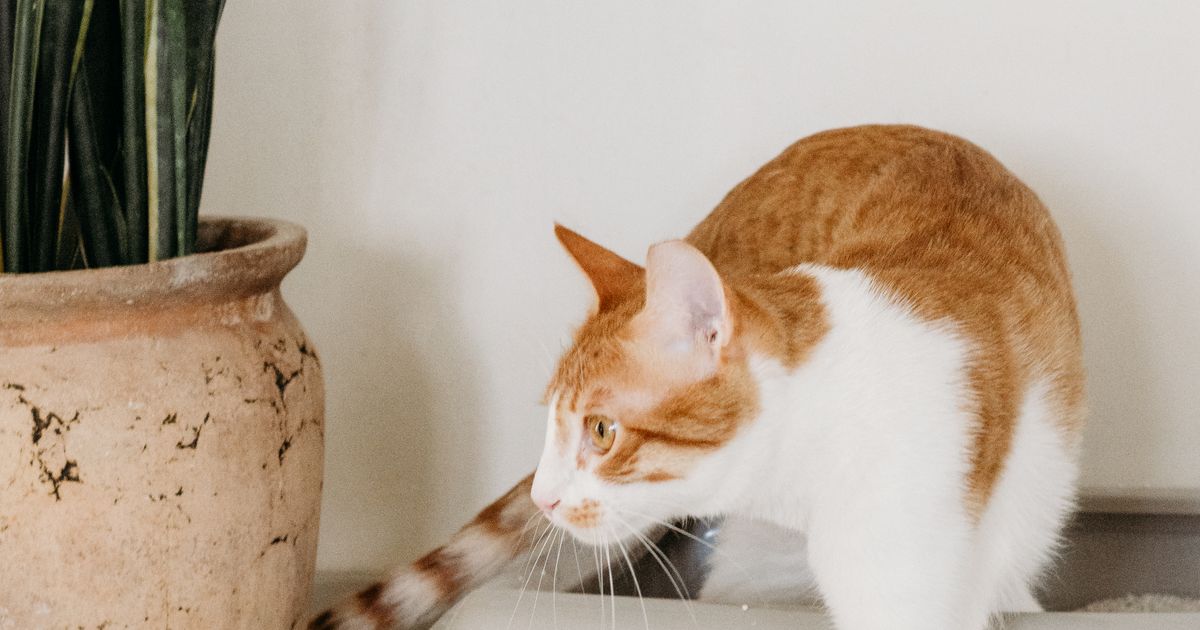
Last updated: 2026-09-22 — Tofu has been excavating the litter box like it’s his life’s work, and the living room floor is basically a sandbox now. I’ve accepted it.
I live with three cats, and that’s a sentence you should read slowly before you judge anything I’m about to say. There’s Nori, a 12-year-old lady who has opinions and isn’t afraid to share them at 4 a.m.; Miso, the 3-year-old orange gremlin who drinks water like he’s training for a marathon; and Tofu, an 8-month-old kitten who treats the litter box like a construction site. That’s three boxes, three different personalities, and — until recently — three different litters fighting for space in my apartment.
Let me tell you how this started, because it’s embarrassing. I read one blog post, got overexcited, and bought three different bags of litter at once to “test them side by side.” That was $87 that I do not exactly regret, because it taught me something valuable, but also kind of regret, because Tofu immediately decided he only accepts the corn-based one, and the other two and a half bags went to a friend who has a single, less judgmental cat. The friend was thrilled. The friend’s cat did not care.
So. This is not a lab test. This is a year of scooping, sniffing, and scrubbing in a three-cat household, written by someone who has almost thrown a litter box out a window.
The three contenders, explained by a tired person
Clumping clay. The classic. Sodium bentonite, clumps hard, you scoop the clump and go. The good: unbeatable clump quality, and most cats accept it instantly. What drives me crazy: the dust. I have opened a fresh bag and sneezed for ten straight minutes. Nori, the senior cat, started coughing after box changes with the dustier brands, which scared me enough to switch at least one box to something gentler. Also, no matter what the bag claims, it doesn’t really “lock away” odor — it just buries it until you scoop, and if you miss a day, it’s a hostage situation with your own bathroom.
Silica crystals. The pretty one. Those little translucent beads that absorb liquid instead of clumping. The good: odor control is genuinely impressive — this stuff eats ammonia for breakfast, and it lasts longer between full changes than anything else I’ve tried. What drives me crazy: the feel. Some cats hate stepping on it, and Tofu stood at the edge of the box, looked at me, and walked away without even trying, like he was leaving a bad restaurant. Also, tracking — those little beads get everywhere, and you will find one in your bed at 2 a.m. I found one in my coffee mug once. I will not elaborate. The mug retired.
Natural (corn, wood, paper, walnut). The crunchy granola option. Tofu’s favorite, which means it’s the one we use most. The good: low dust, biodegradable, and the corn one clumps decently when you get the right brand. What drives me crazy: the price, and the fact that some brands turn into literal soup when a cat pees a lot. Which brings me to the Miso Incident.
The Miso Incident (a cautionary tale)
Miso drinks like he’s reimbursed per gallon. One night, he decided to bless the wood-pellet box — the cheap kind, not the good kind — with roughly a gallon of urine. Wood pellets, it turns out, do not handle that gracefully. They dissolve. The box became a swamp. I stood there at 11 p.m. with a scoop in my hand, staring at what can only be described as a mud puddle, and I cleaned it for forty minutes. Forty. Minutes. I almost threw the box in the dumpster and just… let him use the bathtub. I didn’t, obviously. But I thought about it, and that counts for something.
The lesson: match the litter to your cat’s hydration habits. If you have a champion drinker, do not use cheap wood pellets without a liner and a thicker layer. Or, you know, at all.
The comparison table (the part people actually bookmark)
| Clumping clay | Silica | Corn / natural | |
|---|---|---|---|
| Clumping | Excellent | No (absorbs) | Good |
| Dust | High | Low | Low |
| Odor control | Good | Excellent | Decent |
| Price per month | $ | $$ | $$$ |
| Tracking | Low | High | Medium |
| Eco-friendly | No | No | Yes |
| Cat acceptance | High | Depends | High |
How to pick (based on your actual household)
If you have one cat and you’re on a budget: clumping clay is fine, just get a low-dust version and don’t look back.
If you have a sensitive cat or a cat with respiratory issues: go natural or silica, and avoid the dusty clay like you’d avoid a carpet cleaner salesperson.
If you have multiple cats: you need odor control, and you need it bad. Silica wins on odor, but if any of your cats refuses it (hi, Tofu), you compromise. We run corn in the boxes the kittens use and a better-grade clumping clay in Nori’s box, because she’s old and set in her ways, and at 12 she has earned the right to choose.
If you’re pregnant or immunocompromised, read up on toxoplasmosis before you start scooping — the CDC’s toxoplasmosis page explains it better than I can. And yes, I make my partner scoop when he’s around. I’m not proud of it, but the toxoplasmosis thing is real and so is my fear of it.
How to switch litter without a mutiny
I know at least one of you is about to dump a full box of new litter in and hope for the best. Don’t. Cats are creatures of ritual and grudges, and a sudden litter change is how you get a protest pee on your bath mat (I have the scar tissue). Here’s what actually worked for us: we mixed — 25% new into 75% old for a few days, then 50/50, then 75/25 — and let the cats get curious on their own schedule. Nori sniffed and accepted within a day. Miso held out for almost a week, glaring at the box like it was a personal betrayal, then caved the night the old litter ran out and he had no other options. And Tofu? Tofu acted like he’d won the lottery. The kitten has no loyalty to anything except corn. You can find most of the brands I’ve been talking about on [Affiliate: Chewy] and [Affiliate: Amazon], which is also where I keep accidentally reordering from.
Odor control and money-saving stuff I learned the hard way
Scoop daily. I know, I know. But with three cats, if you skip a day, the ammonia hits you like a wall the second you open the front door. Twice a day is even better if you can swing it, and I say that as someone who has definitely skipped days and paid the price in nose damage.
Baking soda is not a meme. A thin layer in the bottom of a clean box genuinely helps with odor, and it costs pennies.
Don’t buy the cheapest litter to save money — buy the one your cats will actually use, because a cat who refuses the box will cost you way more in ruined rugs and vet bills. Tofu once peed on a bath mat to protest a brand he didn’t like. That bath mat is gone now. I still think about it, and I still don’t know what the mat did to deserve that.
Buy bigger bags. The per-pound price drops a lot. I switched from 10-lb bags to 20-lb bags and saved maybe $6 a month, which sounds small until you remember I’m buying for three cats, and three cats go through litter like it’s a renewable resource.
Full change every three to four weeks, and wash the box with mild soap — hot water only, no bleach with certain litters, because ammonia plus bleach is a chemistry problem you do not want to create at 9 p.m. on a Tuesday.
Reader Q&A
A reader asked: “Does natural litter really not smell?” Short answer: it smells less than clay for ammonia, but it has its own smell, and some of them smell like… oatmeal? Sawdust? The corn one has a faint, weirdly pleasant breakfast cereal smell, and my friend swears her walnut litter smells like a lumber yard. I tried the walnut one after she recommended it. I found it fine for smell but terrible for clumping — it crumbled when I scooped, which is how I ended up with a bag and a half of walnut litter that I gave to a neighbor’s rabbit. The rabbit didn’t care.
Another reader asked: “How do you stop litter tracking?” I’ve tried mats, and I’ve tried being angry about it, and neither works perfectly. What helped most: a top-entry box for one of the cats (Nori loves it, the kittens think it’s a jungle gym), and a cheap textured mat outside each box. Also, I’ve accepted that my apartment will always have a certain amount of litter in it. That’s the cat tax. We all pay it.
One more, from someone with a kitten: “When do I switch from kitten litter to adult litter?” Honestly, we just… did it gradually when Tofu turned six months, mixing the two for a couple of weeks. He didn’t notice. The kitten-specific stuff is mostly marketing with slightly softer texture anyway, and by the time he was eight months he was excavating regardless.
What I still haven’t figured out
I still haven’t found a litter that’s all three: cheap, completely dust-free, and accepted by all three cats without complaint. The corn litter is Tofu’s favorite but it’s not cheap, and the clumping clay is cheap but dusty, and the silica is great on odor but Tofu hates it, and Nori is a traitor who will use literally anything. If you’ve found the holy grail, tell me. I’ll buy a bag this weekend and report back.
If you’re standing in the pet aisle right now, overwhelmed by forty brands of litter and a cart full of doubt: buy the biggest bag of corn-based litter you can afford, get a good scoop, and give it two weeks before you judge it. And maybe buy a second bath mat. You’ll need it.
Reminder: This post contains affiliate links. See our full disclosure here.
Love cats? Get more tips like this
Join our newsletter for practical cat care guides, honest product roundups, and new posts delivered straight to your inbox. No spam — unsubscribe anytime.
3 thoughts on “Clumping vs. Silica vs. Natural Cat Litter: A Messy, Honest Comparison from a Multi-Cat Household”