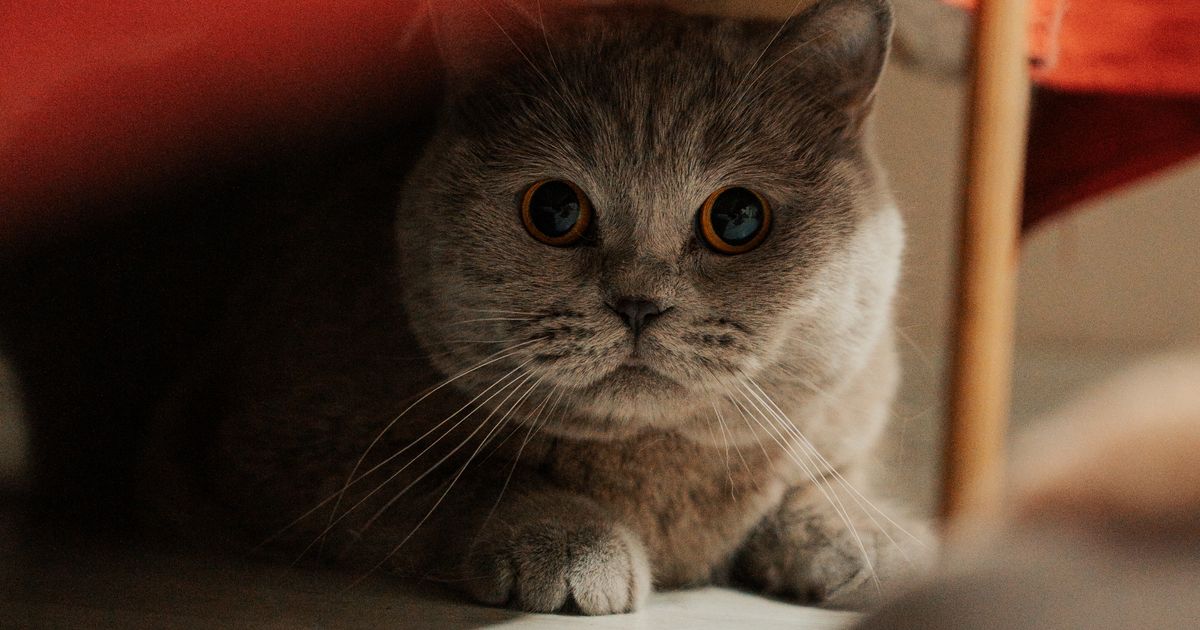
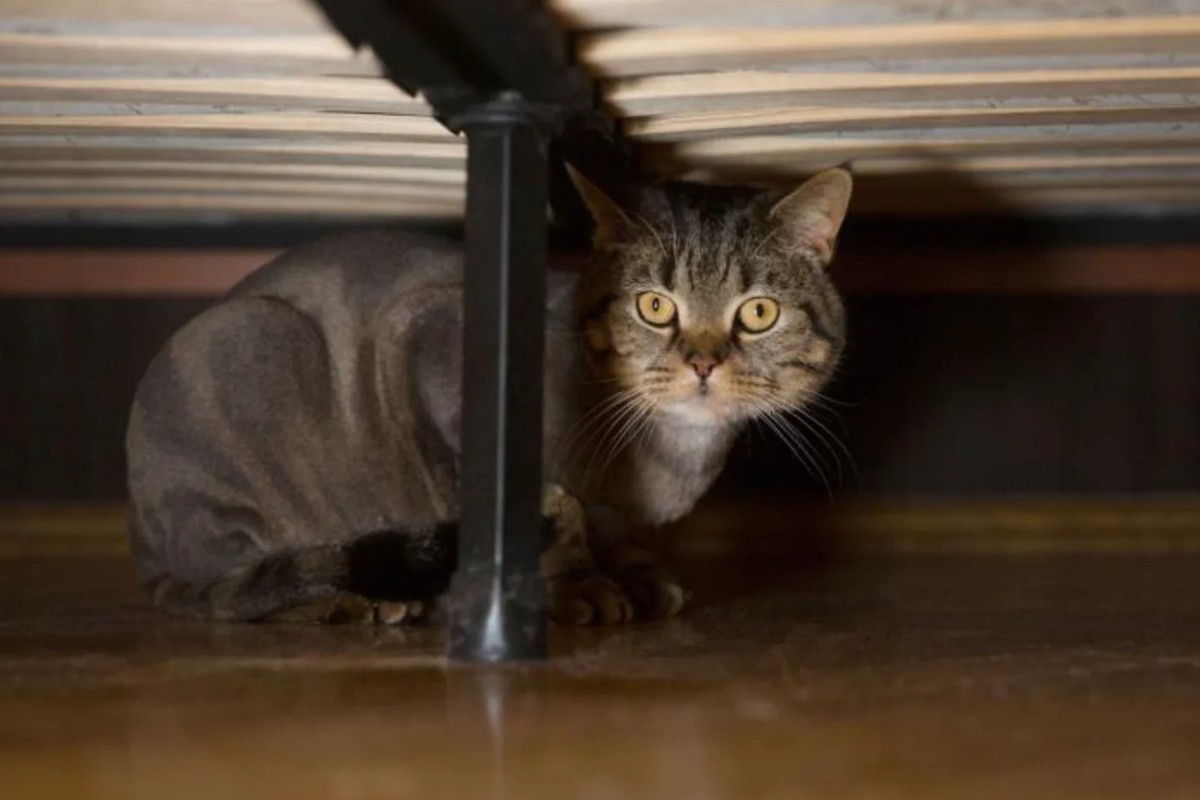
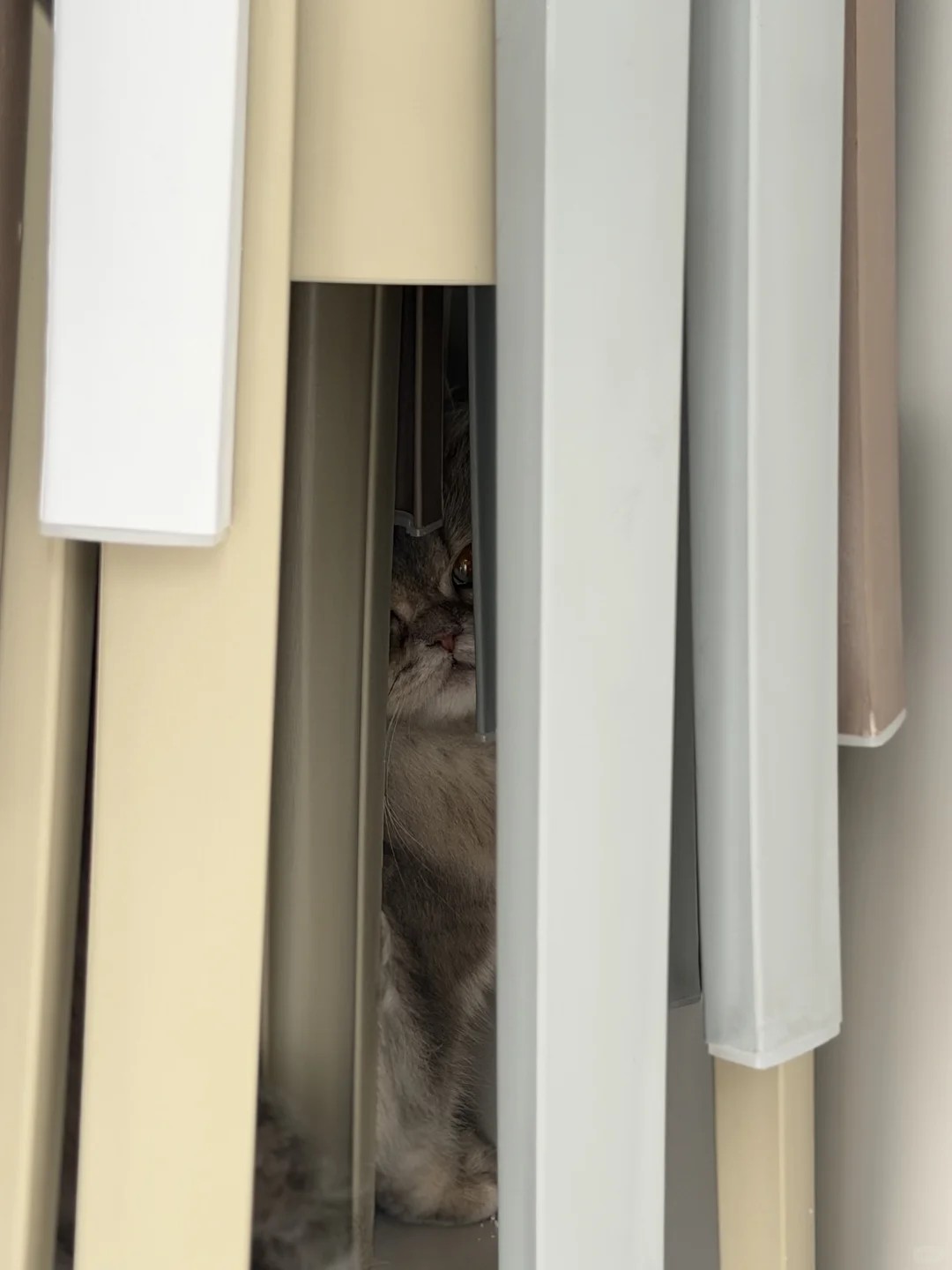
Halloween stresses your cat in ways most owners never notice. Tofu, my gray tabby, is not afraid of much. He supervises vacuuming, debates the mailman through the window, and once stared down a golden retriever. But every Halloween, he turns into a ghost. The first year, I did not understand it. The doorbell rang, costumed kids yelled on the porch, and Tofu vanished. Three hours later I found him wedged behind the washing machine, pupils wide, breathing fast, refusing to come out.
That was my education in cat stress. Halloween is not a fun night for most cats. It is a night where every survival trigger fires at once, and the cat reacts the only way evolution taught her: hide and wait.
How Halloween Stresses Your Cat’s Nervous System
Cats are territorial animals with a heavy reliance on predictability. Their sense of safety is built from familiar smells, familiar sounds, and familiar faces. Halloween detonates all three. Doorbells fire at random intervals. Strangers carrying strange scents walk through the house. And the people-shaped figures in costumes look wrong to a cat’s brain, like predators wearing disguises.
The body response is measurable: heart rate climbs, muscles tense, pupils dilate, ears flatten. The cat may freeze, bolt, hide, refuse food, or even lose control of her bladder in extreme cases. None of this is drama. It is a panic response, and it is automatic.
Hiding is not a character flaw, either. A hiding cat is using the oldest cat survival strategy in existence. When I stopped interpreting Tofu’s disappearances as “being stubborn” and started reading them as “dealing with fear,” everything changed.
The Stress Levels Nobody Talks About
Not all stress looks the same. It helps to know the gradations:
Mild stress shows up as hiding, a drop in appetite, and hyper-vigilance. The cat is on edge but still eating and using the litter box.
Moderate stress adds symptoms like stress-induced urination outside the box, vomiting, and outright refusal to eat. This is the stage where intervention becomes urgent.
Severe stress looks like complete food refusal, rapid breathing, and in male cats especially, a real risk of urinary blockage. That last one is a medical emergency, not a behavioral phase.
Knowing the levels matters because “just give her space” is the right answer for mild stress and the wrong answer for severe stress. You have to watch and escalate accordingly.
The 7 Ways That Actually Helped
Here is the framework I built after a few Halloween seasons with Tofu, tested and refined. It is not complicated. It just has to be done before the chaos starts.
1. Build the Safe Room Early
Pick one room, close the door, and make it the cat’s bunker. Litter box, fresh water, a cardboard box hideout, a scratching pad, and soft bedding. Add a worn shirt that smells like you. This room is the cat’s territory within the territory, and it should be ready a few days before Halloween, not at 6 p.m. on the night.
2. Start Calming Aids a Week Early
Calming tools work best as prevention. A pheromone diffuser plugged into the safe room about a week before the doorbell season begins tells the cat’s brain “this space is safe” without any training or dosing. Calming treats given an hour before the evening rush take the edge off the acute spikes.
cat calming pheromone diffuser on Amazon
A calming vest is the third layer for cats who tolerate wearing one. The snug pressure mimics a gentle hug and can visibly lower stress during storms and noisy events. ThunderShirt calming vest on Amazon
3. Mask the Noise
Sound is the hardest stressor to control, because you cannot tell a cat to ignore a doorbell. A white noise machine in the safe room, running at a steady volume, flattens the spikes. Calm music works too. The goal is not silence; it is consistent sound that buries the surprises.
4. Respect the Hide
When your cat hides, leave her alone. Do not crouch and stare into the hiding spot, do not reach in and drag her out, do not chase her for a “comfort hug.” Every one of those actions reads as a threat to a panicked cat. Sit nearby doing normal quiet things, and let her decide when the world is safe again.
5. Make the Strangers Less Scary
Before guests arrive, a simple trick lowers the alien smell problem: rub a soft cloth on a guest’s hands or jacket, then place the cloth near the cat’s safe spot. The scent becomes familiar before the person ever appears. Tell guests to ignore the cat completely, no reaching, no calling, no chasing. Let curiosity win on the cat’s schedule.
6. Redirect With Play
A cat in mild stress can often be pulled out of the spiral by hunting play. A wand toy or a puzzle feeder shifts attention from “threat” to “prey,” which is a much more productive cat emotion. Tofu forgets the doorbell entirely when the feather wand makes an appearance. Save the heavy play for after the doorbell rush, and use the safe room version for the anxious ones.
7. Know When to Call the Vet
The boundary is clear: hiding for more than a day or two, refusing all food, rapid breathing, or hiding while not eating even alone are vet signs. Stress-induced bladder problems in male cats are especially urgent. When in doubt, call. A false alarm costs a phone call; a delayed visit can cost everything.
The Recovery Phase Matters Too
The night after Halloween is almost as important as the night itself. Some cats bounce back fast; others take days to reset. The recovery rules are gentle: keep the routine boring, keep the safe room available even after the party, and let the cat choose when to return to normal life.
Watch for delayed symptoms, especially litter box accidents. Stress-related accidents happen in recovery and usually fade as the cat settles. If accidents persist for more than a few days, check with the vet to rule out a physical cause.
And do not pile on “compensation attention.” The instinct to over-hug a stressed cat backfires because it interrupts her recovery. Be available, be warm, but let her approach you.
What Not to Do, Ever
A few things are never okay when a cat is stressed, and I have seen all of them recommended online:
- Do not force a cat out of hiding
- Do not chase her for cuddles
- Do not stare at her hiding spot
- Do not shout or punish; a stressed cat cannot learn when panicking
- Do not lock her in a scary place to “get used to it”
- Do not try to “dose” her with exposure therapy to the costume crowd
Every one of these makes the fear worse and damages trust. The fastest road to a calm cat is the opposite: safety, patience, and time.
The Whole Kit in One List
If you want the short version, here is what a stress-proof Halloween looks like:
- Safe room with litter, water, box, scratching pad, and your shirt
- Pheromone diffuser plugged in a week early
- Calming treats before the evening rush
- White noise or calm music running in the safe room
- Cat settled in the room before the first doorbell
- Guests briefed to ignore the cat completely
- A vet number saved, and a rule that “when in doubt, call”
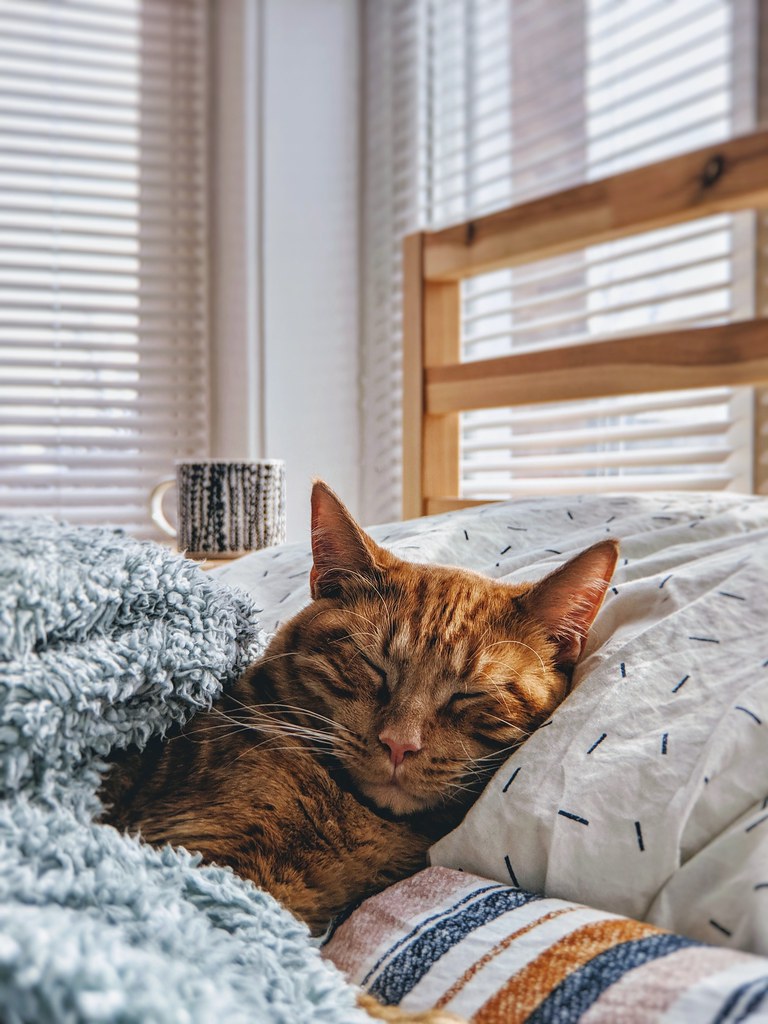
Tofu still hides every Halloween. But now he hides in his safe room, with his diffuser, his white noise, and his treat ration, and he comes out the next morning relaxed instead of traumatized. That is the goal: not a cat who loves Halloween, but a cat who can survive it without a scar. If you want the deeper dive on calming products, my calming product roundup has the full testing notes, and for the home setup side, the cat-proofing guide covers the room-by-room hazards. A calm cat makes a happy Halloween, for both of you.
Disclaimer
Prices and availability are accurate as of the publication date and may change. Please check the product page for current pricing.
This post may contain affiliate links. If you buy through these links, I may earn a commission at no extra cost to you. I only recommend products I’ve actually used with my own cats.
Love cats? Get more tips like this
Join our newsletter for practical cat care guides, honest product roundups, and new posts delivered straight to your inbox. No spam — unsubscribe anytime.
1 thought on “Why Halloween Stresses Your Cat Out (And 7 Ways to Help)”