
Best Cat Supplements for Hairballs (2026): What Actually Stops the Coughing
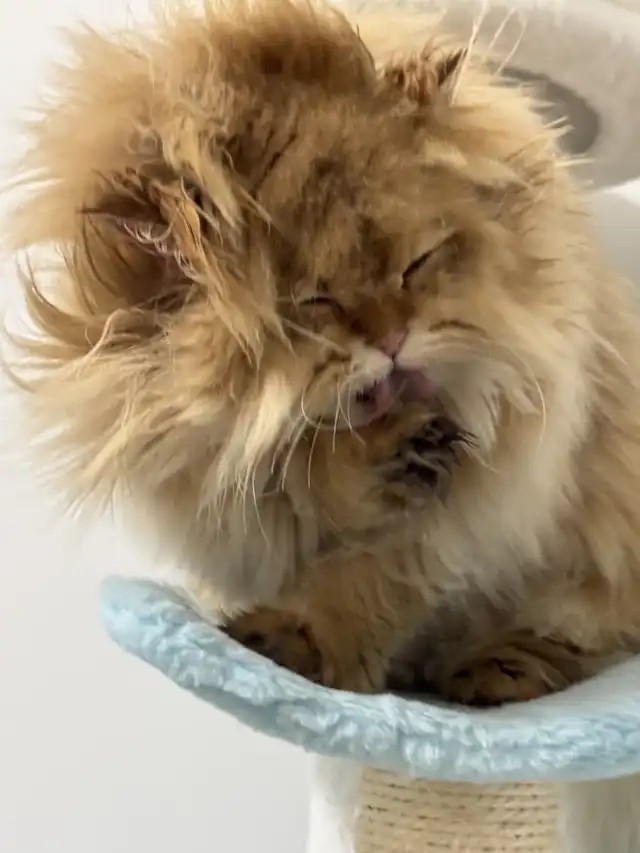
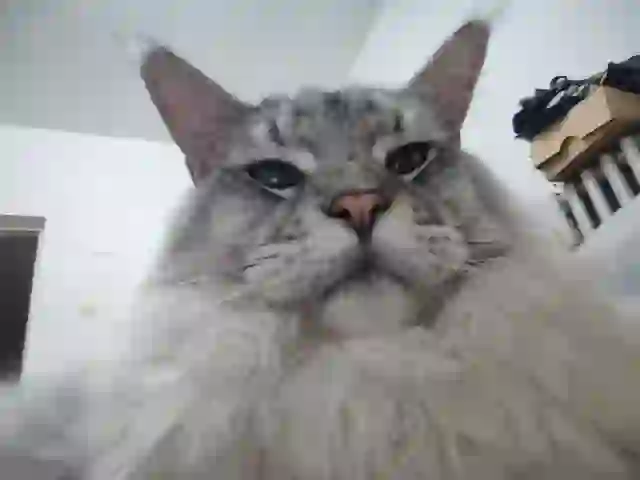
If you’ve never heard your cat make that hacking, retching sound at 3 a.m. and watched them deposit a wet, hairy slug on your rug — consider yourself lucky. I’ve been through it with my long-haired cat, and it took me a lot of failed products before I found the ones that genuinely help. Some made things worse. One made my cat refuse food. A couple actually solved the problem.
Here’s the honest 2026 guide to hairball supplements — what works, what’s a gimmick, and what my cats’ stomachs said about each one.
If stress makes the hacking worse, our roundup of the best calming products for anxious cats is worth a read too.
Why Hairballs Happen (and Why Supplements Make Sense)
Cats groom constantly — a long-haired cat can swallow a remarkable amount of fur every day. Most of it passes through the digestive system. But some accumulates in the stomach, forms a ball, and has to come back up. That’s the hacking sound. The fixes:
- Frequent brushing: removes fur before your cat swallows it (the real first line of defense)
- Dietary fiber/lubricants: help the fur move through instead of clumping
- Regular grooming trims: for very fluffy cats
Supplements fit in the middle: they make swallowed hair pass through rather than come back up. But they’re wildly different — some are oils, some are fiber-based, some are gimmicks wrapped in cute packaging.
How I Tested These
My test subject: a long-haired cat who was producing 2-3 hairballs a week. Baseline: weekly brushing (moderate), no diet changes during testing, one product at a time for 3 weeks each. Success = hairball frequency dropped and the cat didn’t refuse food or throw up more.
The Picks
1. Vet’s Best Hairball Relief Digestive Aid
The gel/liquid category, done right. This is a palatable gel you squeeze onto food or the cat’s paw. It combines fiber with lubricants that help fur slide through the digestive tract. My long-haired cat actually licked it off the bowl — that never happens with supplements. Within two weeks, the 3-a-week hacking dropped to about once every 10 days.
- Why it works: fiber + lubricant combo, high palatability
- Best for: cats who will lick a gel off food
- Watch out: start with half the dose; too much fiber at once can cause loose stools
2. CatLax Hairball Remedy Paste
The classic malt-flavored paste — this is the one your grandma’s vet recommended. It’s a petroleum-based lubricant that coats swallowed hair and helps it pass through instead of coming back up. Cheap, effective, and the taste is either “cats love it” or “cats stage a protest.” Mine licked it off my finger willingly, which is about as good as it gets with cat medicine.
- Why it works: simple lubrication, proven for decades
- Best for: budget buyers, fast results
- Watch out: if your cat hates malt flavor, try the tuna or chicken versions
3. Tomlyn Laxatone Hairball Relief Gel
The modernized version of the paste. It’s a gel with a honey-tuna flavor that’s designed to be palatable, and it comes in a tube you can squeeze onto the paw or food. Many vets carry this brand, which says something. It worked for my cat about as well as the Cat Lax, and the flavor was slightly better accepted.
- Why it works: reliable lubrication, vet-adjacent brand
- Best for: cats who need a palatable gel
- Watch out: same dosing caution as all lubricants — don’t overdo it
4. Hartz Hairball Remedy Plus Salmon Paste
A flavored paste that cats genuinely take to — the salmon version is the best-accepted of the Hartz line. It’s a lubricant-style remedy that helps swallowed hair pass through instead of coming back up, and it’s formulated to be safe for both kittens and adults. This is the option if your cat hates the malt-flavored pastes.
- Why it works: dietary fiber supports natural passage
- Best for: cats who eat treats but refuse gels
- Watch out: needs to be given daily to build effect; it’s not an instant fix
5. Zesty Paws Hairball Support Bites
A chew treat with pumpkin, papaya, and a bit of fiber. It’s the “my cat thinks it’s a snack” option. I liked the ingredients (pumpkin is genuinely useful for digestion) and my cat ate them happily. The effect was milder than the gels — it reduced hairball frequency but didn’t eliminate it. Good as a daily maintenance option.
- Why it works: gentle daily fiber + digestive enzymes
- Best for: maintenance, picky cats who eat treats
- Watch out: it’s a supplement, not a heavy-duty fix; pair with brushing
What to Skip
6. “Hairball” Treats That Are Just Temptations
Some products market themselves as hairball control but are just flavored treats with a whisper of fiber. They’re fine as treats, useless as medicine. Read the label: if the active ingredient is buried at the end of a long list, it’s not doing much.
7. DIY “Hairball Remedies” Like Mineral Oil
Never give a cat plain mineral oil or petroleum jelly from the shelf. Dosing is wrong, and aspiration risk is real — oil in the lungs is a nightmare. Use products made for cats.
Comparison Table
| Product | Type | Price Range | Best For | Speed of Effect |
|---|---|---|---|---|
| Vet’s Best Hairball Relief | Gel | $8-$12 | Palatability-first cats | 1-2 weeks |
| Cat Lax Hairball Paste | Paste | $6-$10 | Budget, fast results | Days |
| Tomlyn Laxatone | Gel | $9-$14 | Vet-recommended reliability | Days |
| Hartz Hairball Paste | Paste | $8-$12 | Budget, easy flavor | Days |
| Zesty Paws Hairball Bites | Chew treat | $15-$20 | Daily maintenance | Gradual |
The Non-Supplement Fixes That Matter More
Supplements work best alongside the basics:
- Brush daily. For long-haired cats, this is the single biggest lever. Every fur you remove from the brush is fur that won’t come back up at 3 a.m.
- Consider a deshedding tool. One good deshedding session a week dramatically reduces swallowed fur.
- Hydration helps. Wet food or a water fountain keeps the digestive tract moving. A dry-food-only cat swallows fur into a dryer environment.
- If hairballs come with vomiting, appetite loss, or lethargy — see the vet. Frequent vomiting isn’t normal, even for hairball-prone cats. It can signal GI disease, and it’s worth ruling out.
FAQ
How often should I give a hairball supplement?
Daily, or as the label directs. Most gels can be given daily; treats are usually 1-2 per day. Consistency matters more than occasional big doses.
Can I just brush more and skip supplements?
For mild cases, yes — brushing daily plus a bit of dietary fiber might be enough. Supplements become worth it when hairballs are weekly or more.
Are hairball supplements safe for kittens?
Check the label — most are formulated for adult cats. For kittens, focus on brushing and a fiber-forward diet. Ask your vet if you’re unsure.
What if my cat throws up after the supplement?
Stop the product and try a different type (paste vs. chewable). Some cats have sensitive stomachs and react to the oil or flavoring. Also make sure you’re not doubling up fiber sources.
Why does my cat still have hairballs even with supplements?
Either the dose is too low, the underlying cause is grooming-excess (stress, boredom, skin issues), or there’s a medical issue. Track frequency and see the vet if it stays above weekly despite treatment.
The Bottom Line
The best hairball supplement is the one your cat will actually eat consistently. My winners: Vet’s Best for palatability, Cat Lax for budget and speed, and Zesty Paws Bites for daily maintenance with a treat-loving cat.
Pair any of them with serious daily brushing, and the 3 a.m. hacking sound will become a rare thing. My long-haired cat went from two hairballs a week to about one a month. That’s the kind of improvement worth writing about.
Prices and availability are accurate as of the publication date and may change. Please check the product page for current pricing.
Disclosure: This post contains affiliate links. If you buy through them, we may earn a commission at no extra cost to you. As an Amazon Associate I earn from qualifying purchases.
Reminder: This post contains affiliate links. See our full disclosure here.
Love cats? Get more tips like this
Join our newsletter for practical cat care guides, honest product roundups, and new posts delivered straight to your inbox. No spam — unsubscribe anytime.
1 thought on “Best Cat Supplements for Hairballs (2026): What Actually Stops the Coughing”