Disclosure: This post contains affiliate links. If you buy through them, we may earn a commission at no extra cost to you. As an Amazon Associate I earn from qualifying purchases.
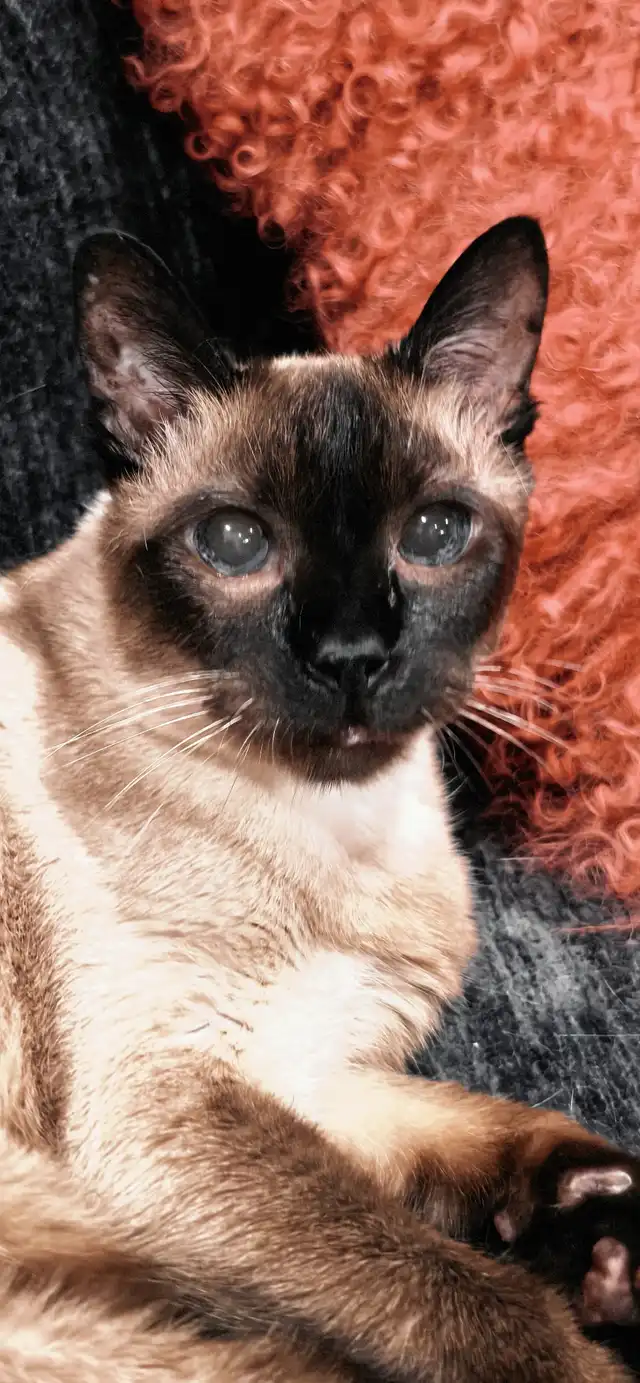
My cat Sam turned fifteen this year. I’ve known him since he was a scrappy kitten who fit in the palm of my hand, and somewhere along the way — I’m not sure exactly when — he crossed into being an old cat. The signs were subtle at first. The jump onto the bed got a little slower. The grooming sessions got shorter. He started sleeping in the sun spots with a dedication that felt like a full-time job.
Here’s what I’ve learned about caring for a senior cat, in the order I learned it, with the stuff I wish someone had told me earlier at the front.
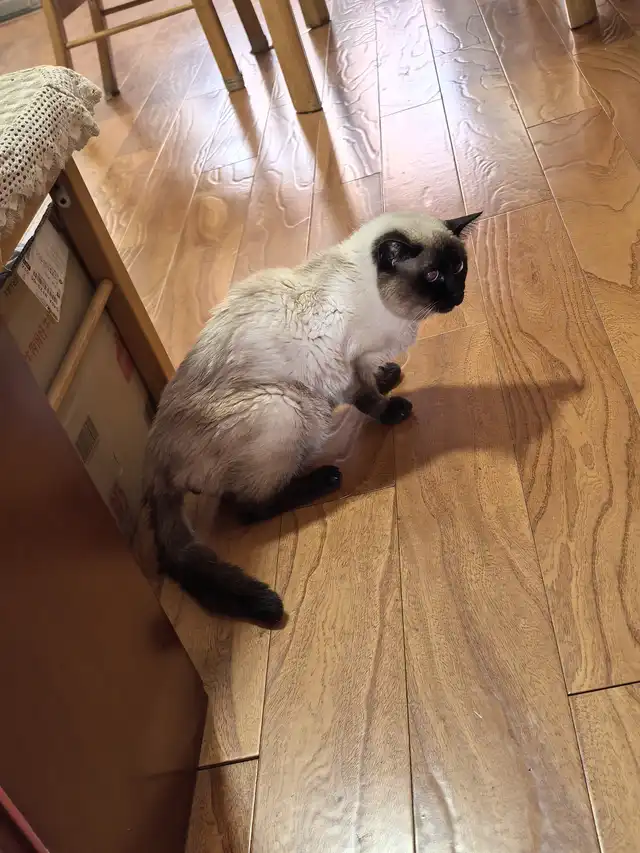
When is a cat “senior”?
Vets generally divide it this way: cats are senior at around 10-11 years, and geriatric around 15+. But calendar age matters less than biological age. A lean, active 12-year-old can be healthier than a sedentary 8-year-old. The real question is whether your cat is changing — and whether you’re catching the changes early.
The changes to watch:
- Less jumping, more hesitation at the jump
- Eating less, or eating the same but losing weight
- Drinking more water than usual (this one can signal kidney issues — get it checked)
- More vocalizing at night
- Grooming less, or getting mats
- Litter box changes — accidents, more trips, straining
- Behavior changes — crankier, more anxious, or unusually clingy
None of these alone means disaster. But the senior cat care philosophy is: catch everything early, because cats hide illness incredibly well and by the time you notice something is wrong, it’s often been going on for a while.
The vet routine that matters
Senior cats need more vet attention, full stop. My vet recommends:
- Wellness exam every 6 months instead of yearly. This is the single most valuable change I made. Six months is a long time in cat years, and issues caught at the six-month check are caught early.
- Bloodwork and urine tests annually, sometimes more often. Kidney disease, hyperthyroidism, and diabetes are the big three of senior cat health, and they’re all detectable with lab work long before symptoms show.
- Dental checks. Dental disease is rampant in older cats, and infected teeth cause pain that can stop a cat from eating properly. My cat had two extraractions at thirteen, and his appetite noticeably improved afterward.
Diet for the senior years
Senior cats often need different nutrition: more protein to maintain muscle mass, controlled phosphorus for kidney health, and easily digestible formulas for aging digestive systems. The good news: most quality senior formulas handle this. The tricky part is that seniors are often pickier and have changing appetites.
Practical advice:
- Warm the food. Senior cats’ sense of smell fades, and warm food smells stronger. This single trick revived my cat’s appetite when he started losing interest.
- Offer more wet food. Older cats are at higher risk for dehydration, and wet food is the easiest way to add water. If your cat has kidney issues, the urinary health food guide covers the wet-food logic in detail.
- Weigh your cat regularly. A home scale, a monthly weigh-in, and a log. Weight loss is the earliest red flag for most senior cat diseases. I missed six months of my cat’s slow weight loss because I didn’t have a scale at home.
The senior home audit: small changes, big comfort
Once my cat Sam passed the senior mark, I walked through the house with new eyes — looking for everything that had become harder for him. The list surprised me. Most of it was fixable in an afternoon.
Night lights matter. Senior cats lose vision gradually, and a cat who can’t see well at night gets disoriented — which shows up as nighttime crying or pacing. I put cheap plug-in night lights along the path from the bedroom to the litter box and the water bowl. It’s the cheapest improvement I made, and it cut Sam’s 3 a.m. yowling dramatically. If your senior cat is suddenly vocal at night, check their night vision before assuming it’s cognitive decline.
Water stations in more places. Older cats are at higher risk for dehydration, and they’re also less likely to trek across the house for a drink. I now keep three water bowls in different rooms — the kitchen, the bedroom, and the living room — and I use a wide, shallow bowl because Sam’s whiskers are sensitive and deep bowls annoy him. A fountain helps too, if your cat drinks more from moving water; just keep it clean, because a dirty fountain makes some cats stop drinking entirely.
The litter box gets an upgrade. Senior cats with joint pain will not climb into high-sided boxes, and a cat who avoids the box will hold it in — which causes urinary issues and “accidents” that are really medical protests. I switched Sam to a low-entry box, added a second one on a different floor, and placed them where he doesn’t have to navigate stairs to reach them. Also: keep them extra clean. A senior cat’s nose is often less sensitive, but their standards for a dirty box are not.
Warmth is not optional. Old cats lose body condition and can’t regulate temperature as well. Heated beds and pads are the single most-loved purchase in my household — Sam spends 90% of his winter on a heated pad. If you’re worried about electrical safety, there are microwaveable warm pads and self-warming beds made with heat-reflecting material. The cat will tell you which one they prefer by never leaving it.
Ramps and steps everywhere. The jump onto the bed, the couch, the window perch — every elevated favorite spot becomes a negotiation for a stiff senior. I bought a set of foam steps for the bed and a ramp for the couch. Sam uses them without hesitation, and the “stare at the jump, decide it’s not worth it” moments are gone. You can also rearrange furniture to create a stepping path — an ottoman next to the couch works fine.
And the audit isn’t one-time. I redo it every few months, because Sam’s needs change as he ages. What worked at fourteen isn’t quite enough at fifteen. The house should change with the cat.
Joints and mobility
Arthritis is nearly universal in older cats, and here’s the cruel part: they rarely limp or cry. They just… stop jumping. Stop climbing. Stop grooming hard-to-reach spots. The classic sign is the cat who stares at the bed, walks to the step stool, and uses it instead of jumping.
What helps:
- Joint supplements — glucosamine and chondroitin formulas genuinely help many cats, and the joint supplement guide compares the main options with prices and feeding realities.
- Ramps and steps to favorite spots. The bed, the couch, the window perch. A simple ramp ends the “stare at the jump, decide it’s not worth it” moment.
- Low-entry litter boxes. Senior cats with sore joints won’t climb into high-sided boxes, and they’ll hold it in instead — which causes urinary and behavioral problems. A low-entry box is a senior cat essential.
- Soft, warm, easily accessible sleeping spots. Heated pads are enormously popular with old cats. Mine spends 90% of his life on one.
Teeth and grooming
Older cats often stop grooming effectively — it’s a combination of joint pain (can’t reach), less flexibility, and sometimes dental pain. Mats form, and mats pull on the skin and hurt.
The fix: brush your senior cat regularly with a gentle brush, keep the coat short if needed, and check for mats weekly. And if your cat’s breath is bad — really bad, worse than normal cat breath — that’s usually dental disease, not “cat breath.” Get it checked. I learned this one the expensive way.
The emotional side of senior cat care
Nobody talks about this enough. An old cat is a different cat — calmer, more attached, sometimes needier. My cat Sam now follows me from room to room and sleeps on my desk while I work. He used to be aloof. The role reversal has been strange and wonderful.
But there’s also the grief that comes with watching someone you love slow down. It’s okay to feel it. The job isn’t to stop the aging — it’s to make the aging comfortable, dignified, and as pain-free as possible. Every ramp I add, every warm bed, every gentle brushing session is part of that job.
The hard decisions nobody prepares you for
Senior cat care isn’t all ramps and warm beds. Some of it is genuinely hard, and I think it helps to say so plainly.
The “is it just old age?” question. At some point, every symptom could be written off as aging — slower, sleepier, thinner, crankier. The trap is writing everything off that way. The rule that’s saved me: age explains a slower cat, but it doesn’t explain a sudden change. A gradual slowdown over years is aging; a cat who was fine last month and is suddenly not eating or yowling at night is a medical problem wearing an old-age costume. When in doubt, get the bloodwork. It’s not overreacting; it’s the difference between catching kidney disease early and catching it late.
The chronic condition marathon. Many senior cats end up with a daily-medication routine — thyroid pills, blood pressure meds, joint supplements, the works. It feels overwhelming at first, and then it becomes a Tuesday. What helped me: a weekly pill organizer with Sam’s meds, a phone alarm, and a routine that ties the meds to something the cat already expects (his breakfast, his evening treat). When the vet recommends a new medication, I ask three questions: what is it for, what are the realistic side effects, and how will we know it’s working? Vets appreciate an engaged owner, and the cat benefits from meds that are actually being given.
The quality of life question. The hardest one, and the one nobody has a good script for. My vet gave me a framework that helped enormously: track the good days versus the bad days, and watch for the three “can’t” signals — can’t eat, can’t move comfortably, can’t use the litter box. When the bad days outnumber the good ones, or when a “can’t” becomes permanent, it’s time for the quality-of-life conversation. It’s not a betrayal; it’s the final act of the same love that bought all those ramps and warm beds. I cried when I had that conversation about a previous cat, and I’d still rather have had it than to have waited.
The checklist I wish I’d had
- Vet visit every 6 months with bloodwork
- Monthly weigh-ins at home
- Warm food, more wet food
- Ramps and steps to favorite spots
- Low-entry litter boxes, more of them
- Joint supplement if mobility is declining
- Weekly grooming and mat checks
- Dental checkups
- Heated, soft sleeping spots
- More patience, always more patience
Building your senior cat support team
You don’t have to do the senior years alone, and the people around you make more difference than you’d expect. First, build a real relationship with your vet — not the “show up twice a year” kind, but the kind where you can email questions between visits and they know your cat by name. I keep a simple log: weight each month, appetite changes, litter box observations, any new lumps or limps. It sounds fussy, but it’s the difference between “he seems fine” and “here’s the trend since February” at the vet’s office. Second, recruit a trusted pet sitter who knows senior cat basics — how to give the meds, which signs are urgent — because the day will come when you travel or need a hand. Third, be honest with your family and friends about what the cat needs now. The friend who watched a younger, energetic cat may not know that Sam needs the low-entry box and the warm pad and the extra patience. A short briefing, even a written one, prevents accidents and misunderstandings. The support team makes the hard season lighter for everyone.
The ending
My cat Sam is fifteen, and he still greets me at the door. He still purrs when I pick him up, even though he’s a little stiff about it. He still has opinions — many opinions — about dinner. He’s slower, grayer, and I love him more now than when he was a kitten, if that’s possible.
Senior cat care is not about fighting time. It’s about buying your cat comfort — and buying yourself more good days with them. Every checkup, every ramp, every warm meal is a day you’re giving back to the cat who gave you so many. It’s the best deal in the world, and it’s the least they deserve.
Reminder: This post contains affiliate links. See our full disclosure here.
Love cats? Get more tips like this
Join our newsletter for practical cat care guides, honest product roundups, and new posts delivered straight to your inbox. No spam — unsubscribe anytime.
2 thoughts on “Senior Cat Care: What to Expect and How to Help”