
Disclosure: This post contains affiliate links. If you buy through them, we may earn a commission at no extra cost to you. As an Amazon Associate I earn from qualifying purchases.
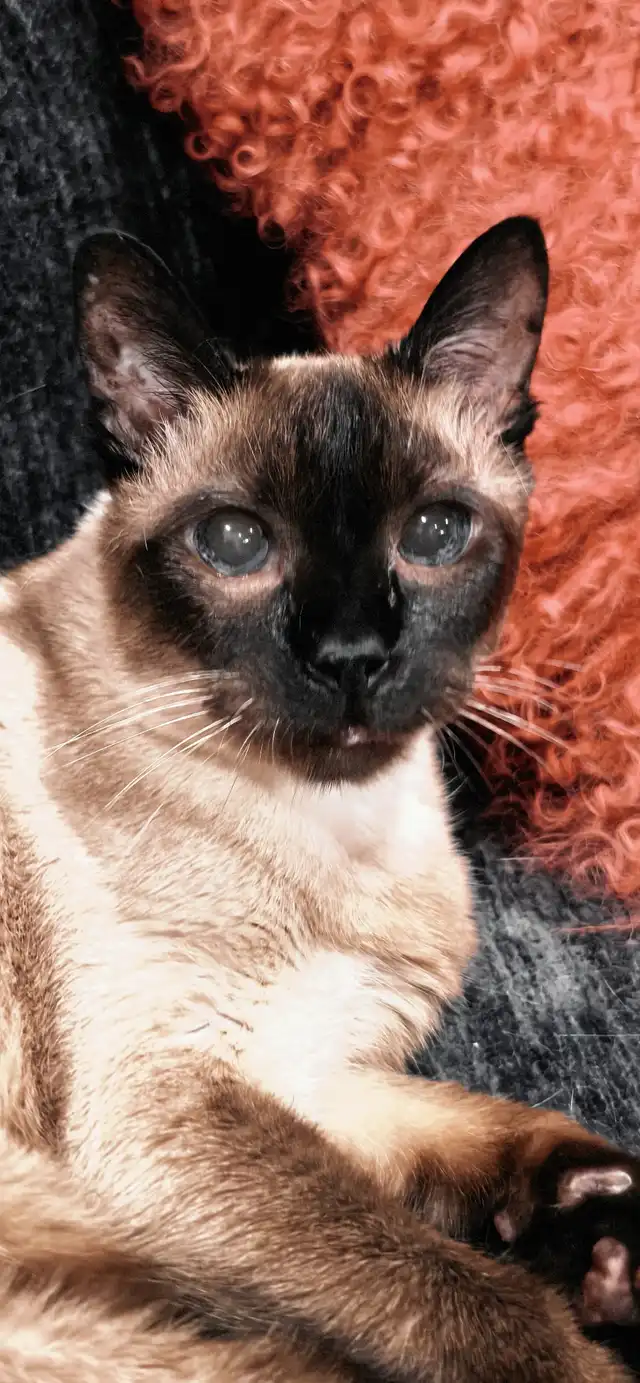
My cat Sam is fifteen years old. He’s been with me through three apartments, one bad breakup, and more nights of me crying into his fur than I care to count. He’s a good cat. He’s an old cat. And two years ago, I noticed something that broke my heart a little: he stopped jumping onto the bed.
Not couldn’t. Stopped. He’d sit on the floor, look up at the bed — a jump he’d been making effortlessly for a decade — and then walk over to the little step stool I’d left there. It wasn’t laziness. It was his hips. The vet said arthritis, which for cats basically means the joints wear down and it hurts to move. And cats are masters at hiding pain, so by the time you notice anything, it’s been going on for a while.
Here’s what I learned about joint supplements, in the order I learned it.
The signals you should never ignore
The early signs of joint trouble in senior cats are quiet: jumping less, hesitating before jumping, using the stairs differently, sleeping more, grooming less in hard-to-reach spots, and — the one I missed for months — getting cranky when touched in certain places. My cat started hissing when I’d pet his lower back. I thought he was just being a grumpy old man. He was telling me his back hurt.
If you catch this early, supplements and small changes can genuinely slow things down. If you catch it late, you’re playing catch-up. The “hesitation” sign is the one to watch closest: an older cat who used to leap and now measures the distance first is a cat with sore joints. You don’t need a diagnosis to start making the house easier to navigate — lower landing spots, ramps, and soft places cost nothing and help immediately.
What’s actually in these things
The two big ingredients are glucosamine and chondroitin — compounds that support cartilage health. Many formulas add green-lipped mussel, which has natural anti-inflammatory properties, and omega-3 fatty acids, which also help with inflammation. Some newer formulas add things like MSM or avocado-soybean unsaponifiables (ASU, the “avocado” compound in Dasuquin) — the evidence is thinner, but some cats respond well.
The honest truth: supplements aren’t magic. They don’t rebuild cartilage, and they don’t work overnight. My vet said to give it three to six weeks of consistent use before judging. And they work alongside other things — weight management, soft landing spots, heated beds, ramps — not instead of them.
Two practical dosing facts that nobody hands you with the bottle: 1) most joint supplements have a “loading phase” — a double dose for the first couple of weeks — and it matters; skip it and you’ll wait longer to see results. 2) Consistency is everything. Missing three days a week turns a joint supplement into an expensive no-op. If you can’t commit to daily giving, don’t buy the pills — fix the environment instead.
Cosequin: the one my vet recommended first
Price: around $25-45 for a bottle that lasts a couple months.
Cosequin is the supplement my vet recommended when we first diagnosed Sam’s arthritis. It’s a chewable tablet that comes in a chicken-flavored version, and the dosing is straightforward — a loading phase first, then a maintenance dose.
The good: it genuinely helped. After about four weeks, Sam was jumping onto the lower couch again. Not the bed, but the couch. That was a big deal for us. The formulation is well-studied and it’s the brand vets suggest more than any other I’ve seen. It’s also widely available — I can pick it up at the same store where I buy his litter, which removes a whole layer of friction.
The bad: the pills are a challenge. My cat is not a “chew the treat” cat, so I was crushing the tablet and mixing it into wet food, which he noticed and sometimes refused. I learned to crush it very finely and mix it into a small amount of stinky wet food first, then add the rest. Some nights I won. Some nights I ate the defeat. If your cat is food-motivated, the chewable form is genuinely easy — my friend’s cat takes it like a treat and reminds her if she’s late, which is a level of compliance I can only dream about.
Dasuquin: the upgraded version
Price: around $50-70.
Dasuquin is Cosequin’s bigger sibling — same base ingredients plus ASU, which is a compound from avocado that has some evidence for helping with joint pain. It’s the next step up if Cosequin isn’t cutting it.
Sam’s on Dasuquin now, and I can’t say I noticed a dramatic difference switching from Cosequin — but my vet said some cats do better on one than the other, and it’s worth trying if the first one stalls. It’s a chewable too, same feeding challenges, same pill-crushing routine.
The price is the real downside. At $50-70 a bottle, it’s a noticeable ongoing expense. I consider it part of “the cost of keeping my old friend comfortable,” which is a mental category I’ve learned to accept. It also comes in a larger bottle size that works out cheaper per dose — if you’ve confirmed your cat tolerates it, buy the big one and save over the year.
Nutramax (the joint treat version): for cats who refuse pills
Price: around $30-50.
Nutramax makes a soft chew joint supplement that looks like a treat, and for cats who will actually eat treats, this is the easiest option in the world. A friend’s cat takes it like candy — she thinks it’s dessert, which is exactly what you want from a daily supplement.
My cat, of course, is not that cat. He sniffs the soft chew, looks at me like I’ve insulted his ancestors, and walks away. I’ve tried every flavor. He is unmoved.
But if your cat is food-motivated, this is genuinely the low-friction choice. No crushing, no mixing, no nightly negotiations. Just a treat twice a day that happens to contain joint support. I’d put this in the “try first if you have a food-motivated cat” category — because the hardest part of any supplement isn’t the formula, it’s getting it into the cat.
The comparison
| Cosequin | Dasuquin | Nutramax soft chew | |
|---|---|---|---|
| Price | $25-45 | $50-70 | $30-50 |
| Key ingredients | Glucosamine + chondroitin | Same + ASU | Glucosamine + chondroitin |
| Form | Chewable tablet | Chewable tablet | Soft treat |
| Easiest to give | Crush into food | Crush into food | Eat as treat |
| Vet favorite | Yes | Yes | Good backup |
What joint supplements are (and aren’t)
Before you spend money, it’s worth being clear about the category: joint supplements are support, not medicine. They’re not painkillers, and they don’t replace veterinary care. If your cat is clearly in pain — crying when moving, refusing to jump entirely, hiding more than usual — that’s a vet conversation, not a supplement conversation. The supplement supports the joints; the vet handles the diagnosis.
They’re also not instant. I’ve said it once and I’ll say it again because it’s the most common source of disappointment: give it three to six weeks of consistent daily dosing before you judge. I nearly gave up on Cosequin in week two because Sam still hesitated at the bed. Week four, he jumped the lower couch. The improvement was gradual, then suddenly visible. If you expect a pill to fix a decade of wear overnight, you’ll be disappointed and so will your cat.
And while we’re on expectations: supplements work best as part of a full plan. I can’t overstate how much the environment mattered for Sam — the ramp, the low-entry litter box, the heated pad, the weight control. The supplement probably bought him some of that recovery, but the ramp is what he uses every single time he gets on the bed. Don’t buy a supplement and call it done. Buy the supplement and fix the house.
One question people always ask: can you give these to a younger cat preventively? The evidence is thin, but many vets are fine with it for breeds prone to joint issues. The real preventive for young cats is weight control and safe play surfaces — keep the kitten lean and the jumps low, and you’ve done more for their joints than any supplement.
A note on safety and interactions: joint supplements are generally well-tolerated, but if your senior cat is on other medication — especially NSAIDs or thyroid meds — run the supplement by your vet first. And choose a formula made for cats, not a dog formula halved. Cats have different dosing needs and some dog formulas contain ingredients cats shouldn’t get in the same amounts. It’s the kind of “small detail” that only becomes a problem if you skip it.
The vet conversation you should actually have
The supplement is something you buy; the vet relationship is something you build, and it matters more. Here’s the conversation I wish I’d had earlier:
- Ask for a joint exam, not just “how is he doing.” The vet can palpate the joints, check for crepitus and pain responses, and give you a baseline. That baseline is how you’ll know later whether things are holding steady or getting worse.
- Ask about imaging. X-rays can confirm arthritis and rule out other causes of the same signs — bone issues, injuries, even certain cancers can masquerade as “old cat stiffness.” Sam’s X-rays were the moment we stopped guessing and started treating the actual problem.
- Ask about pain medication. This is the one senior-cat owners overlook because everyone talks about supplements. There are NSAIDs approved for cats — they’re prescription-only, and they’re genuinely underused because owners never ask. They’re not for long-term daily use in every cat, but for a cat in a painful flare-up, a short course can restore quality of life fast. Supplements support the joints; pain meds handle the pain. They’re not either/or.
- Ask what to track. My vet told me to watch specific things — whether he still grooms his lower back, whether he uses the ramp or tries the jump, whether he eats normally. Having a concrete list turned my vague worry into something I could actually observe and report back.
- Schedule a recheck. Joints change. A six-to-twelve-month recheck keeps the plan current instead of assuming the first plan works forever.
- Keep a symptom diary, with video. This sounds obsessive, but a ten-second video of the jump hesitation — filmed before treatment — is the single most useful thing I brought to the vet. Cats hide pain at the clinic; the video shows what your cat does when nobody’s watching.
- Never improvise with human meds. Acetaminophen and ibuprofen are toxic to cats, full stop. If you think your cat is in pain, the answer is a vet call, not your medicine cabinet. And don’t double up supplements either — more isn’t better, and the dosing exists for a reason.
I did the supplement and the environment work, and I’m glad I did. But the vet conversation is what turned it from a guessing game into a plan.
What actually helped my old cat
The supplement did its part, but the biggest changes were the boring ones:
- A ramp for the bed. He uses it every single time now. I tried a set of stairs first and he looked at me with such disappointment that I bought the ramp the same week.
- A low-entry litter box. Senior cats with sore joints struggle to climb into high-sided boxes, and they will hold it in instead — which causes a whole different set of problems. A low-entry box with a lid removed was an instant fix.
- Soft, warm places to sleep. He has a heated pad now and spends 90% of his life on it. Warmth genuinely helps stiff joints; I watched him go from sleeping in odd, contorted positions to sleeping like a normal cat.
- Weight control. This is the one the vet harps on, and she’s right — every extra pound is extra load on those joints. For an old cat, “maintaining weight” often matters more than “losing weight” — dramatic weight loss in a senior is its own red flag.
- Keeping his claws trimmed. Overgrown claws change the way a cat walks, and a sore-jointed cat with long claws is walking badly twice over. The grooming tools in this guide are the ones I use — the nail part is the relevant bit for a senior.
If your cat is hitting the senior years, the senior cat care guide has the full picture of what changes and what to watch. And if you’re just noticing the jump hesitations, don’t wait six months like I did. Talk to your vet, start a supplement, and lower the landing spots.
I can’t give Sam his young joints back. But I can make sure the jump he does make is easy, and that the landing is soft. That’s the whole job at this stage, and it’s a good job to have.
Prices and availability are accurate as of the publication date and may change. Please check the product page for current pricing.
Reminder: This post contains affiliate links. See our full disclosure here.
Love cats? Get more tips like this
Join our newsletter for practical cat care guides, honest product roundups, and new posts delivered straight to your inbox. No spam — unsubscribe anytime.