Disclosure: This post contains affiliate links. If you buy through them, we may earn a commission at no extra cost to you. As an Amazon Associate I earn from qualifying purchases.
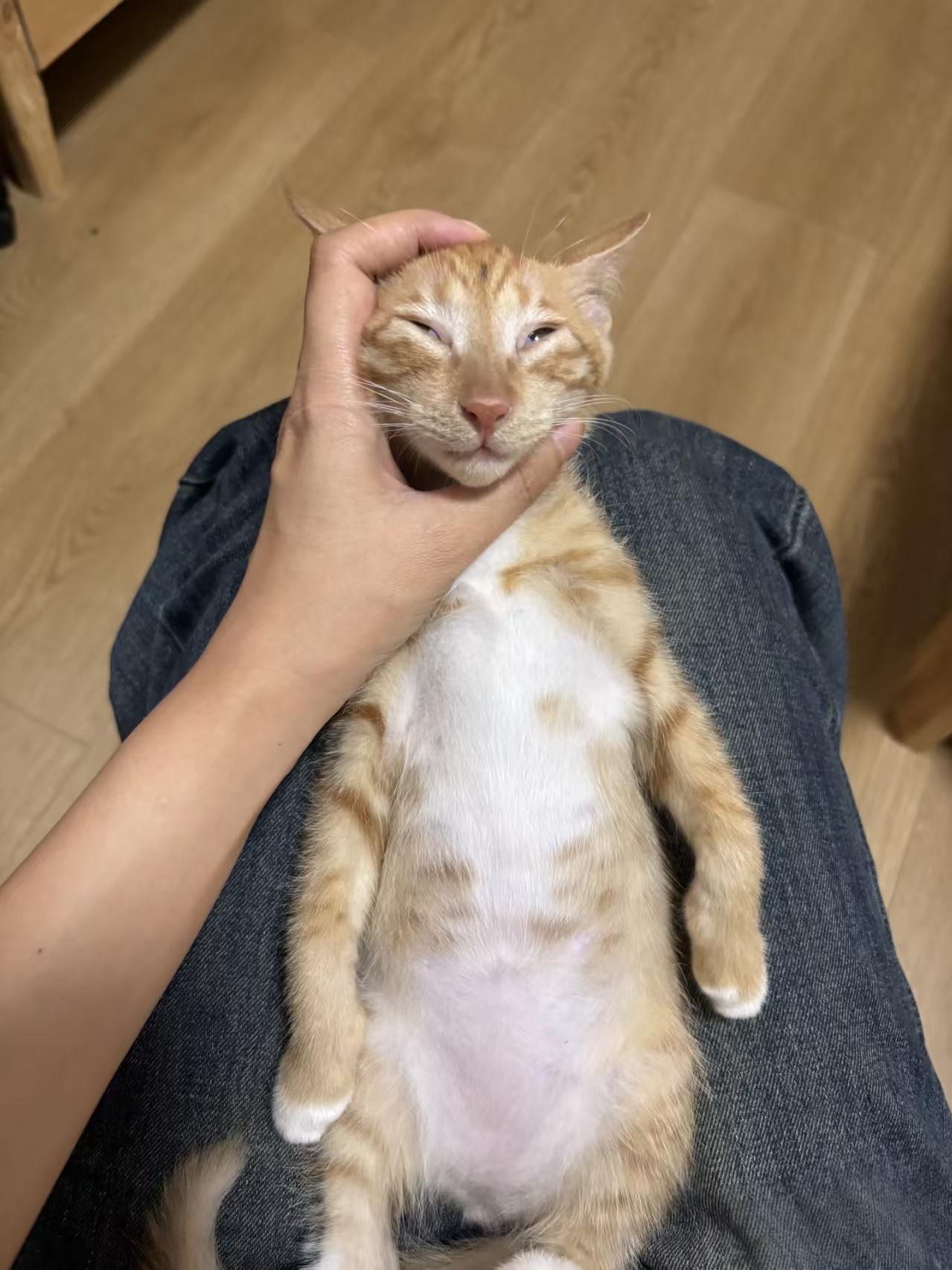
The first week with my cat, I did everything the generic guides said. I bought the fancy food, the fancy litter, the fancy everything. I also lost a full night of sleep to a 3 a.m. zoomie concert, cleaned diarrhea off the carpet at dawn, and nearly cried over a hairball on my pillow. The guides didn’t mention any of that.
Nobody tells you that the first month is less about bonding and more about damage control. So here’s what I actually learned, the hard way, in case it saves you a few sleepless nights and a carpet-cleaning bill.
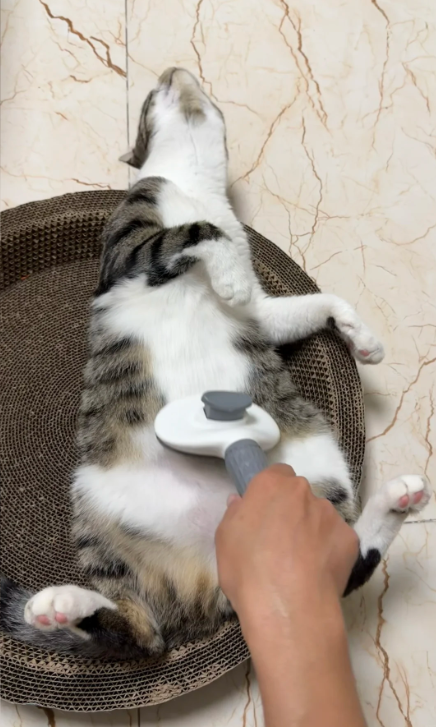
Learn to lose a brushing battle
My ginger tabby sheds like a snow globe that’s been shaken on purpose. I bought a slicker brush with great reviews and approached him with full confidence. He reacted like I was trying to file his claws with a cheese grater. The brush went into the drawer, and for weeks I just let the fur win.
What finally worked was embarrassingly simple: play first, brush second. I’d get him chasing a wand toy until he was slightly out of breath, and then — while he was still in that soft, post-hunt haze — brush him for a few minutes. He stopped fighting. He even started tolerating it, which for him is basically a standing ovation.
If your cat hates the brush, don’t force it. Short sessions after playtime, then stop while you’re ahead. Leave on a good note. The moment you corner a cat to “finish the job,” you’ve lost the war.
I also gave up on fighting the fur on my clothes entirely. I own a lint roller that lives permanently on the arm of the couch, and I’ve accepted that every black shirt I own is now technically a gray shirt with cat accents. Spring shedding was the worst — I brushed out what looked like an entire extra cat and he still managed to redecorate the whole house by evening. You don’t win against cat hair. You just negotiate a truce.
The 3 a.m. diarrhea that made me call the vet
Two weeks in, my cat’s stomach revolted. One night he sprinted off the bed toward the litter box, and I heard the sound that every pet owner dreads at 3 a.m. — loud, unmistakable, and followed by a smell that cleared the room. There was blood in his stool. I panicked, googled everything, and called the vet the moment they opened.
The vet wasn’t alarmed, which was reassuring and also infuriating. She recommended a probiotic to sprinkle on his wet food once a day. It’s not dramatic or exciting. It just… worked. His digestion went from “anything could happen at any moment” to boring and predictable. Boring is a compliment when it comes to cat guts.
I also learned the other half of the lesson the slow way: I switched his food over three days instead of seven, because three felt faster and he seemed fine. He was not fine. My carpet can confirm. Now it’s a full week, every time, no shortcuts. And I gave him a whole handful of treats one afternoon because he looked so pleased with himself — I paid for that the next morning, in a way that required bleach.
Smaller meals, more often, helped a lot too. I ended up putting his portions on a schedule so he stopped treating me as a 5 a.m. breakfast dispenser, which was a side benefit I didn’t see coming.
The probiotic became part of our routine faster than I expected. It’s not a pill or a production — I just shake a little powder onto his wet food and stir. The only tricky part is remembering to do it every single day, because his stomach notices within a day if I skip. I know this because I skipped it once, and the litter box filed an official complaint. Also, keep the probiotic in the fridge like the label says, or you’ll learn what “expired beneficial bacteria” smells like. I learned. Nobody should learn.
Fluffy is not the same as healthy
I thought my cat was “fluffy.” That’s what I told myself every time I picked him up and felt nothing but softness. My vet said the word “overweight” at his first checkup, and I honestly blinked at her like she’d spoken a foreign language.
Turns out I was feeding him almost double what he needed. I’d been using a scoop that was way too generous — and, you know, eyeballing it, because why would anyone measure cat food? Once I started using an actual measuring cup, I was genuinely embarrassed by how much food had been going into that bowl. My cat wasn’t chubby because he was greedy. He was chubby because I was generous with a scoop.
We made two changes: measured portions, and a nightly wand-toy session that he treats as a serious athletic event. He lost the extra weight over about four months, and now he climbs, jumps, and launches himself off furniture like a cat half his size. The measuring cup stays. The “but he looks hungry” guilt? Still there. I ignore it.
One thing that helped me stay honest: weighing him at home on a kitchen scale. He sits on it for exactly two seconds before he realizes he’s being weighed and leaves, but two seconds is enough. Seeing the number go down month after month was way more motivating than trusting my eyes — my eyes still see a fluffy baby who deserves a fourth meal.
The dental check I almost skipped
At that same checkup, I nearly said no to the dental part. He’s young, I thought. His teeth are fine. The vet looked anyway and found early signs of gingivitis.
I had no idea indoor cats get dental problems this early. Now I brush his teeth twice a week with pet-safe toothpaste. He hates it — he makes a face like I’ve personally offended three generations of his family — but he lets me finish, mostly because he knows there’s a treat waiting if he survives it. My vet’s math was simple: a little bit of weekly brushing is a lot cheaper than the $500 dental cleaning he’d need otherwise. I did the math too. I brush his teeth.
The first brushing attempt deserves its own warning: he shook his head mid-brush, toothpaste went everywhere, including my hair, and I genuinely considered giving up. You get better at it, and so do they. Now he sits still for about twenty seconds, which is honestly all you need. Start slow, don’t pin them down, and always end with a treat. I also learned the hard way not to use human toothpaste — the minty one in my bathroom made him drool dramatically for an hour, and he gave me a look that said “I trusted you.” Pet-safe toothpaste only. Please learn from my minty mistake.
The part nobody puts in the brochure
Here’s what I’d actually tell my past self, one month before the adoption: you’re going to mess up, and that’s fine. You’ll brush wrong, feed too much, switch food too fast, and panic at 3 a.m. over things the vet will later call “normal cat stuff.” None of that makes you a bad cat parent.
Pay attention, trust your vet, and be patient with yourself. The cat will forgive you — usually within the hour, sometimes as soon as the treat bag crinkles. And on the nights when they choose your pillow over the expensive cat bed you bought them, you’ll remember why you did all of this in the first place.
Your cat will forgive you. Eventually. And then they’ll demand dinner, like nothing ever happened.
And if your cat has already turned you into a 4 a.m. breakfast dispenser, here’s how I fixed that with an automatic feeder: I Tested 6 Automatic Cat Feeders So My Cat Would Let Me Sleep.
Reminder: This post contains affiliate links. See our full disclosure here.
Love cats? Get more tips like this
Join our newsletter for practical cat care guides, honest product roundups, and new posts delivered straight to your inbox. No spam — unsubscribe anytime.
2 thoughts on “What I Wish Someone Had Told Me Before My First Kitten”